Steven Santia of Etobicoke, Ontario, showed for three decades on the Trillium and A circuits. He went on to coach other riders and now is a recorded hunter judge who officiates at Bronze and Silver shows.
He says being a judge has given him a different perspective from when he was a rider and coach, as now he’s observing and assessing every horse and rider’s round.
What do you look for when a horse first enters the ring?
First, it’s about the horse. I want to see one that looks happy and sound, in good weight and willing to participate. I want to see a pair that is telling me they are ready to do the job.
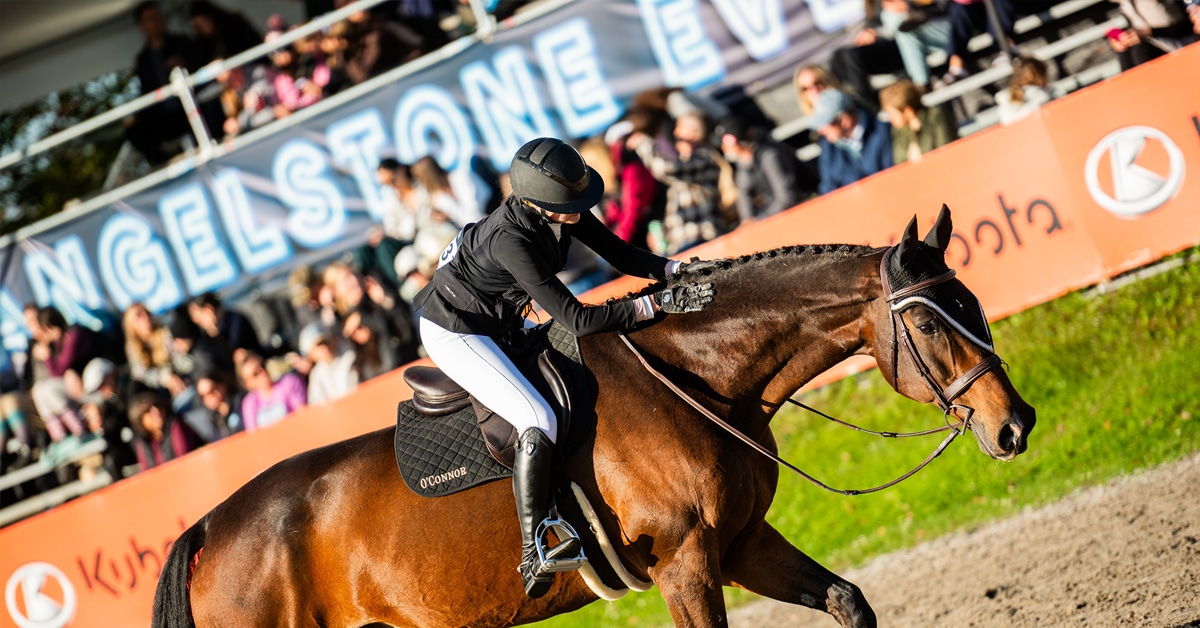
Horse and rider should be well turned out. I want to see an effort has been made, with the horse bathed and braided. I want to see a competitor who is proud of the animal and themself, and happy to be there.
Traditional turnout is important. I’m not big on pom-poms and glitter, and I want to see well-fitting clothes.

Steven Santia: “There’s a huge lack of proper turnout and it’s not about being a snob. It’s that you respect the tradition of the sport.”
What are the most common errors you see in the hunter ring?
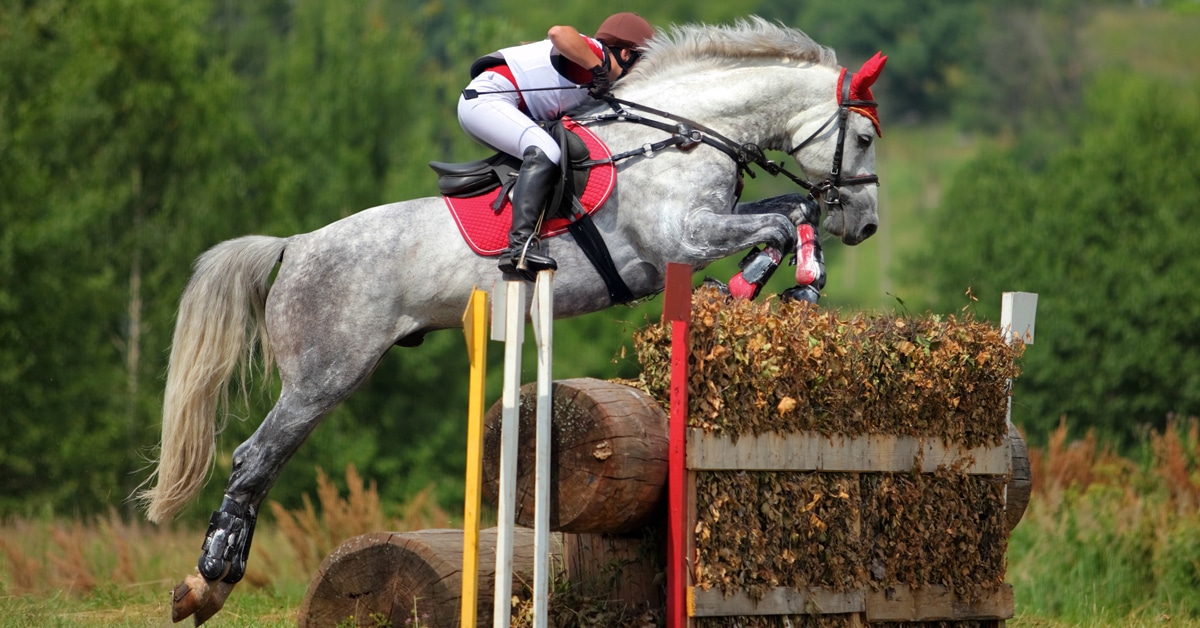
At the level of judging I’m doing, the most common errors are a lack of rhythm, riders not understanding what’s required of a hunter, and not counting their strides. Good jumping is a product of pace, rhythm and track, and there’s often a hole in all three.
The most common are adds and subtractions in strides in a line. A subtraction (leaving out a stride) is probably one of the worst errors and can be dangerous. If they add, it’s not a terrible error, especially with a pony in a generic hunter class. If a pony does seven strides in a six-stride line, that’s safe, but subtracting would be dangerous.
When you score a class out of 100, how much do certain errors cost you?
The way I have been taught is 100 is perfection. Based on first impression, I take a look at the horse and make a quick judgement call. For example, on a particular horse’s best possible day, he would score 85, then the performance adds and subtracts from that. He might blow that impression away and make mistakes that will reduce that score.
Certain things will reduce the score. If you use the crop, that’s 54. You can have had a beautiful trip, but if you smack the horse, you have told me it’s naughty. If you break to a trot, that’s an instant 54, or cross-canter will be in the mid 60s.
A subtraction of strides is an instant 54, a refusal is 35 and a rail is 45. A lot of scoring is standard, but part of it is subjective.
How do you break a tie?
At Silver and Bronze shows, it’s usually about what error offends us more than others. You are never going to get a tie at those shows. Something will present itself. Maybe one horse swapped leads and one didn’t.
I count from first canter step to the last. If the counting rhythm is off, errors will be present. At the grassroots it’s challenging, as we’re putting an order to similar trips.
How can you best ride a hunter under saddle class?
Be seen. Use the quarter lines and the outside rail opposite me. If you trot right in front of me, I can’t see your horse’s legs.
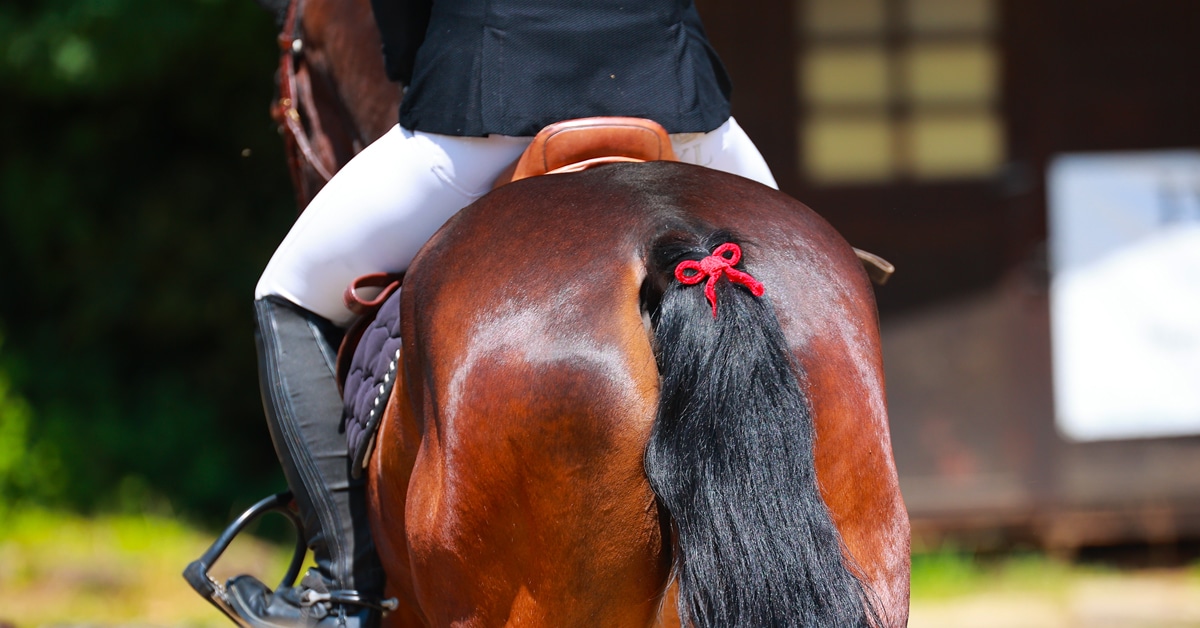
One of my pet peeves is a red ribbon in the tail while being judged. It’s not needed in the over-fences classes. If you are using it in the warmup ring, use showmanship and take it out before you enter the ring. If the horse is uncomfortable in an under-saddle maybe reconsider that entry. Manners and safety are important.
Another pro tip is the first impression matters. I’m keeping a cheat sheet based on which ones I want to watch when they first come in the ring. There is no grace period. You are judged from the minute you enter the ring.
What is your advice for equitation and medal trips?
Keep it simple. At the lower levels, the minute competitors see an equitation or medal class with a rollback or typical equitation element, they want to impress me with their fast ability and want to show how handy their horse is.
It’s not necessary. I have been that trainer who coached towards “Let’s go in there, sit trot, do the tightest turn, and rollback.” From the judge’s booth, it’s not that important. All equitation rounds are about helping the horse jump its best, with rhythm, track and pace still important. If you sacrifice one of those things, it’s going to affect horse’s performance. Stop trying to be so fancy and don’t add things that aren’t necessary.
What is one thing that you wish trainers paid more attention to when setting up a horse/rider combination for the show ring?
I don’t think competitors always understand what they need to do to win, and they don’t have the knowledge of tradition or understanding behind what they are about to do. It’s like showing up at a baseball game and not knowing how to run bases.
There’s a huge gap in knowledge and they have to learn what they have to do at horse show, know the rules and understand what they are being asked to do and what the tradition is in our sport.
(Author note: Show ring hunter class history can be traced to the hunt field when horses and riders covered miles of open countryside, jumping fences, stone walls and hedges and crossing roads. The ideal hunt horse was brave, calm and well-trained with smooth, ground-covering gaits).
There’s also a huge lack of proper turnout and it’s not about being a snob. It’s that you respect the tradition of the sport. It’s not rooted in snobbery.
Do all judges judge the same?
No. There’s an absolute agreed-upon standard and certain errors will get certain scores. Good judges understand those across the board, but the nuances can be different. The way I treat a cross-canter can be different from another judge, and I may not find swaps as offensive as another. As you go through the season, the top three tend to place consistently all year regardless of who is judging.
The levels we judge at may differ as well, as a three-foot-six class at Royal is not judged the same as cross-rails at the lower levels.
The Latest