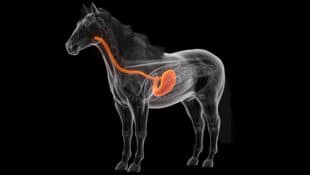
A whole horse approach to making informed treatment decisions is the best way to deal with this common gastric disease.
A veterinarian’s perspective on what these new tools can do — and what they can’t.
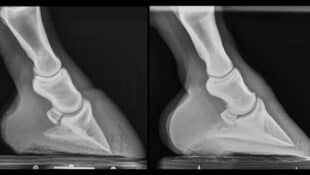
Laminitis is one of the more frustrating conditions veterinarians, farriers and horse owners need to manage - but there is new hope.
Equine gastric ulcer syndrome often gets blamed for pain-related behaviour, but research suggests the relationship is more complicated.
Horse health and management, parasite control and biosecurity – this is what your veterinarian wants you to know for summer.
Great Horse Flu of 1872 struck at least 11-15 million equines, killing possibly more than half a million and causing cities to grind to a halt.
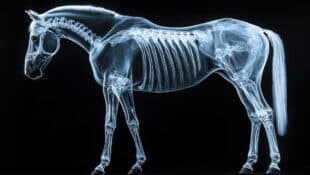
Seeing inside the horse is made possible by ultrasound, x-ray, CT scan, MRI and nuclear scintigraphy - learn how they work, and when to use them.
Whether high-performance, pleasure mount, or senior, a healthy digestive system is crucial for a horse's wellness, comfort, and performance.
While farriery, footing, and management are essential, nutrition is one of the most influential factors affecting hoof quality.
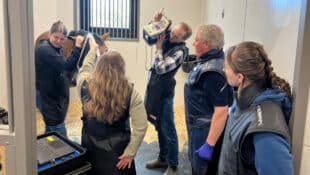
The first-of-its-kind American Association of Equine Veterinary Technicians event signals a shift in training and care for horses nationwide.