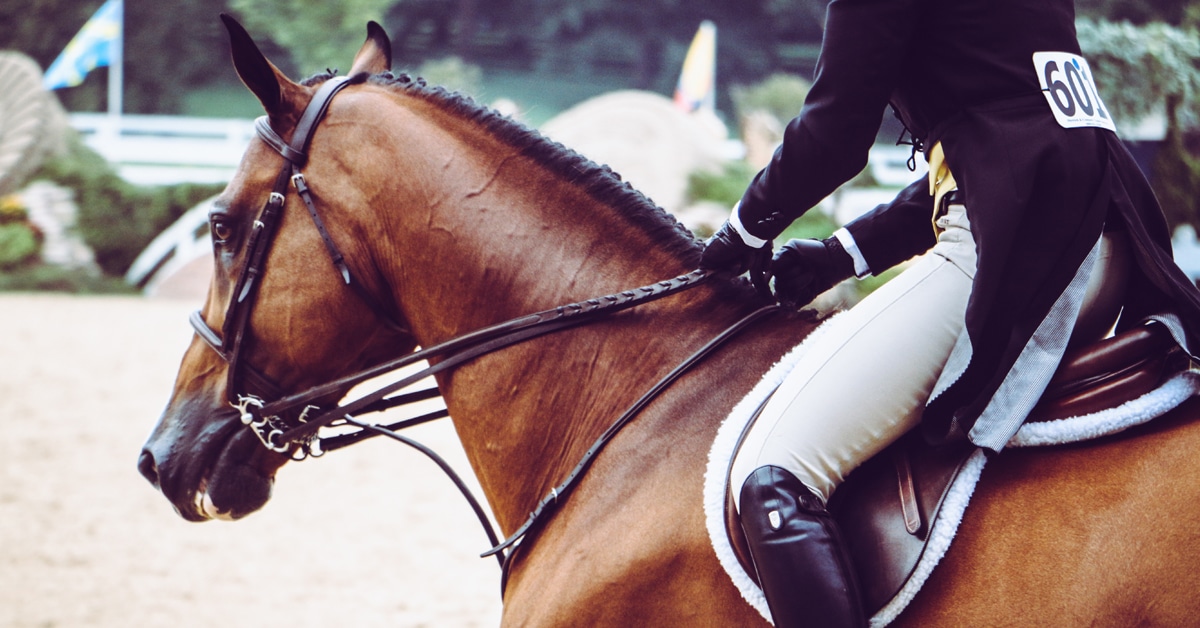
Connie Dorsch of Weyburn, Saskatchewan is a veteran Equine Canada Senior Judge of hunters, jumpers, hacks and hunt seat equitation and a USEF Senior “R” hunter, hunter seat equitation and jumper judge. She has been active in Canada’s equestrian industry as a rider, owner, trainer, breeder, judge and coach for more than 50 years.
What do you look for when a horse first enters the ring?
I look for a horse and rider that are well turned out, and confident. I want to see the horse in good flesh with a bloom on its coat, and a rider in a proper habit and with shiny boots. I have no idea of what your horse, tack or clothes cost, but I can always judge cleanliness and fit. It is always nice, too, if someone enters ring, has a good mover, and can show that off.

Connie Dorsch.
What are the most common errors you see in the hunter ring?
The most common error is not establishing the proper rhythm and pace to the first fence. It sets the tone for the rest of the round. A poor first fence can’t be forgotten, as it’s the judge’s initial impression.
When you score a class out of 100, how much do certain errors cost you?
There are major faults versus minor faults. Major faults tend to be scored similarly by all judges, such as in the 60s for a cross-canter, adding a stride in a line, several swaps in front of a jump, a swap on the long line or a deep chip. Kicking out, bucking, trotting and spooking will all be in the 50s and usually out of the ribbons. A downed rail or dislodge of a rail is 45; a first jump refusal is 40, then the second refusal is elimination in Canada. The U.S. allows three refusals before elimination. Going off course, a rider falling off or a horse falling down is elimination.
Minor faults include some changes of pace, a variety of distances, a single swap in front of a jump, or a rub, and judges may score those in the 70s to 80s. Scores will vary with the quality of the horse.
In the 80s, I like to see a quality horse that moves and jumps well, and the 90s would be for an exceptional quality horse and exceptional performance.
How do you break a tie?
This a jumping competition and the best jump breaks the tie. You are always rewarding the best jumper.
How can you best ride a hunter under saddle class?
This is a movement class, not a command class. The first gait we see is the trot and you show it off as soon as you enter ring. The canter is the most important gait, as we jump at the canter. As well as movement, you want to see manners and balance.
Please try to show your horse using the quarter lines to be apart from the rest of the horses. It’s not the judge’s job to find you and you need to stand out. That comes with experience and practice. Learning to ride the under-saddle class is as important as over fences.
What is your advice for equitation and medal trips?
It’s all about invisible aids, finding the jumps, being an independent thinker and a developing horseperson. Make sure to walk the course to find the track to best show off your skills. It’s all about risk and reward. You are always rewarded for taking a risk and showing your skills, but don’t attempt something like an inside turn unless you are skilled at it. Go home and practice until you are! Medal riders must know the numbers of jumps so if they advance to the ride-off they are prepared. Listen carefully to ride-off instructions and make a plan to show off your skills.
What is one thing that you wish trainers paid more attention to when setting up a horse/rider combination for the show ring?
In this day and age, we all have access to rule books, teaching videos, show videos and books written by excellent judges. Knowing the rules of the sport is key to coaching and riding and being prepared to compete at appropriate divisions. I call it being invested in your sport.
Do all judges judge the same?
I often have recorded judges who sit with me. All judges score major faults similarly. All know a good quality horse and a good quality jumper. It’s the small things that we have differences on. For example, a judge may have a horse that always swaps leads in front of a jump. I’ve seen classes win with a single swap, but after two or three, I’m started to get annoyed. We all have pet peeves such as pinned ears, tail-wringing, or mouth-opening, and judge them slightly differently.
The Latest