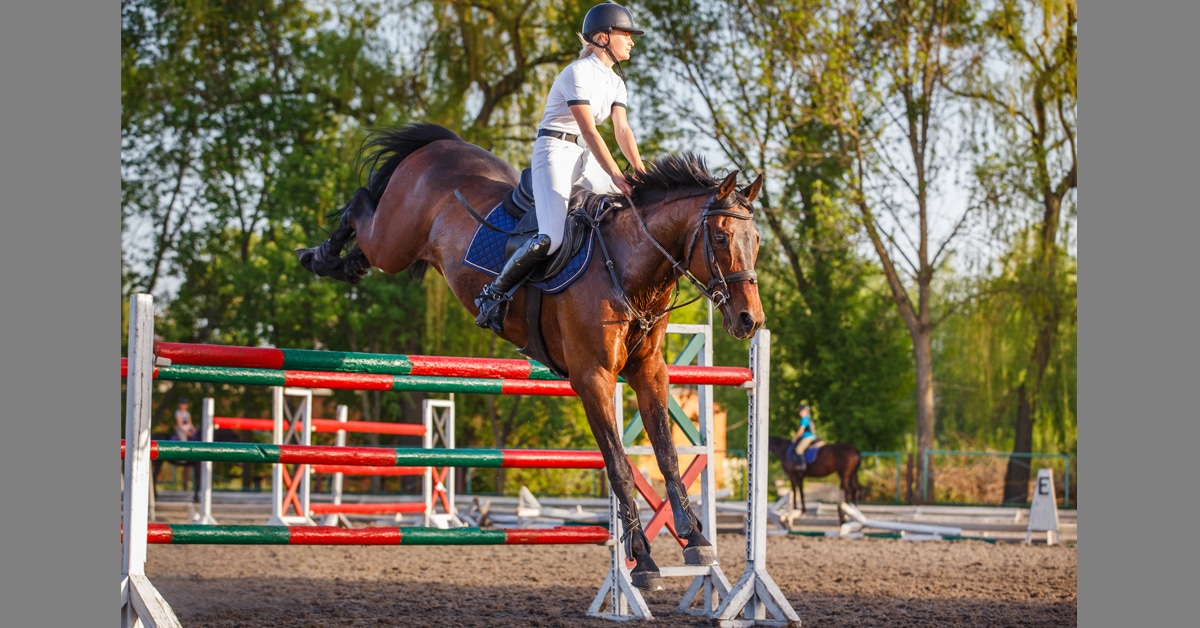
When walking a course, it’s easy to focus on the obvious — the numbers, the distances, and the related lines. But the best rounds aren’t won over the jumps alone. They’re built in the details — or as we like to say, the bits and pieces: the landings, the corners, and ultimately the approaches.
Course management is about having a plan for the entire ride — from when you enter the arena to when you exit — not just for the jumps themselves.
Every jump begins with the landing before it. The landing is where you reestablish your canter, balance, and track. Instead of rushing to the next fence, use each landing to thoughtfully set up what’s coming next. Ask yourself:
- Did my horse increase or decrease his speed at the jump?
- What kind of canter do I need for the next jump — forward, collected, or steady?
- Is my horse straight?
- Is this a moment to breathe and reset, or do I need to connect to the next jump?
When you think this way, corners stop being “empty space” and start being opportunities to create quality.
Recover, Organize, Prepare
Landing isn’t the time to relax — it’s the time to recover and organize. As soon as you land, your goal should be to get your horse back in balance, in front of your leg, and mentally ready for what’s next. That might mean:
- Closing your leg to reestablish impulsion.
- Softly using your hand to bring the balance back.
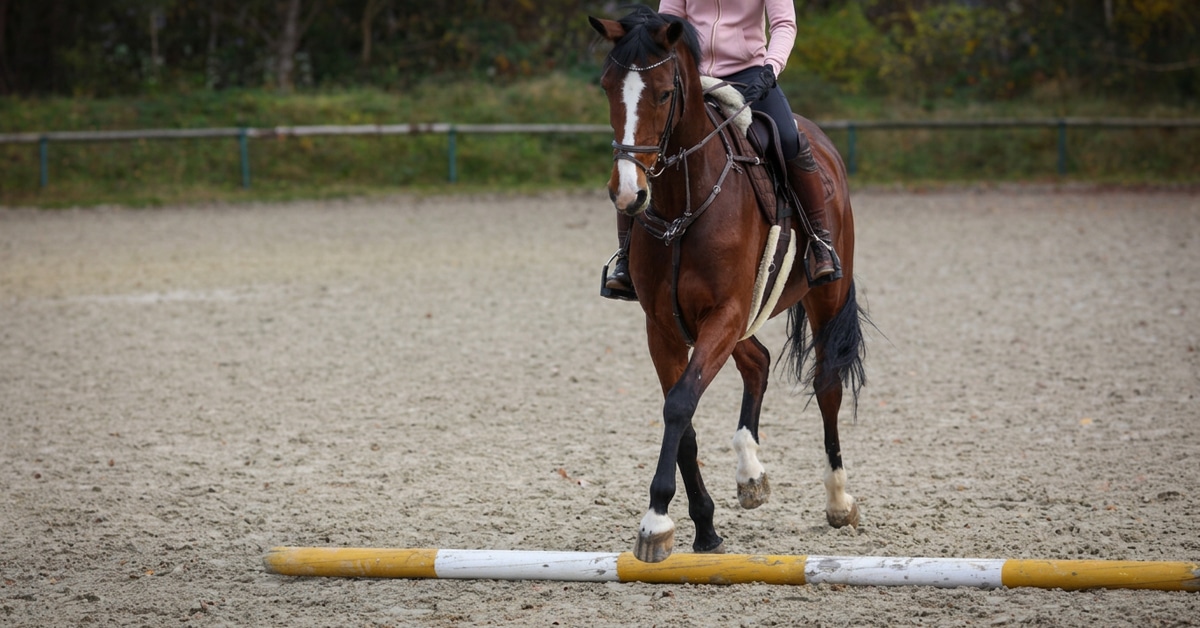
- Riding a “fat first turn” — meaning, on landing, go deep into your first corner so you have options for your track. If you cut that first turn, you’ll likely end up making a sharp turn to get to the next fence, which disrupts both rhythm and balance, and leaves you playing catch-up.
- Looking early to find the next jump. One rule we like to use is “look, and never look away.” Fix your focus on the next jump, then let your track follow naturally.
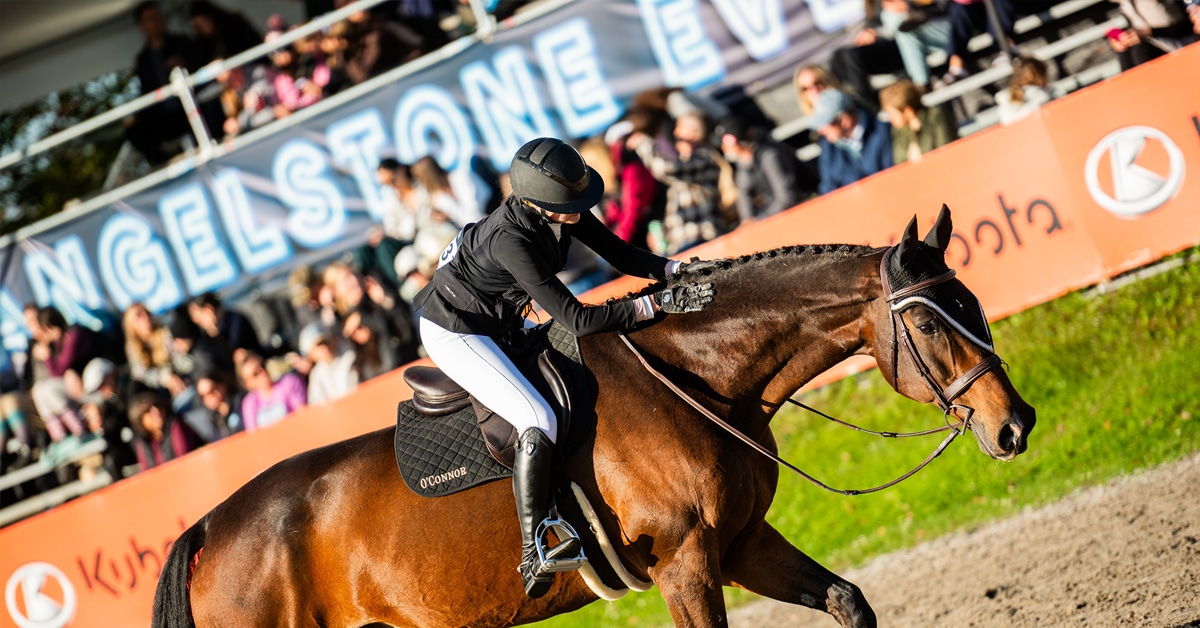
Top riders look like they have all the time in the world because they make that time on landing. Their horses never feel rushed because they’re always a step ahead of the plan. Good course management is about rhythm and flow. Once you’ve built your plan for each corner and landing, think of the course as one continuous track. The challenge isn’t just to jump each obstacle — it’s to keep a consistent canter that adapts to each question.
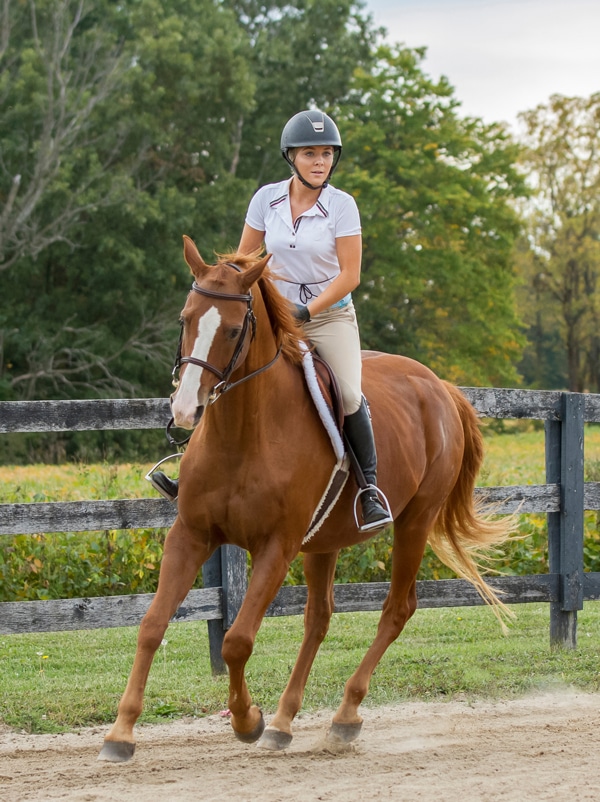
Corners are more than “empty spaces” and should be carefully incorporated into your round when walking the course. (Leah Richardson – stock.adobe.com)
Practice creating a plan that sounds like this:
“Out of the corner, forward six to the oxer. Land, rebalance, deep into the first turn, steady for the vertical. Land, ride every step the same to the combination.”
When your plan includes both the where (the jumps) and the how (the feel and ride between them), you ride more intentionally — and your horse stays more confident.
Next time you walk a course, don’t just count strides. Consciously walk the turns. Think about where you’ll breathe, stretch up, where you’ll half-halt, and how you’ll prepare. Visualize how you want each section to feel — not only to get around cleanly, but to help your horse stay balanced, confident, and ready for the next challenge.
Course management isn’t about surviving the track — it’s about creating the round. Use every corner, every landing, and every moment between fences to make your round smoother, smarter, and more connected.
The Latest