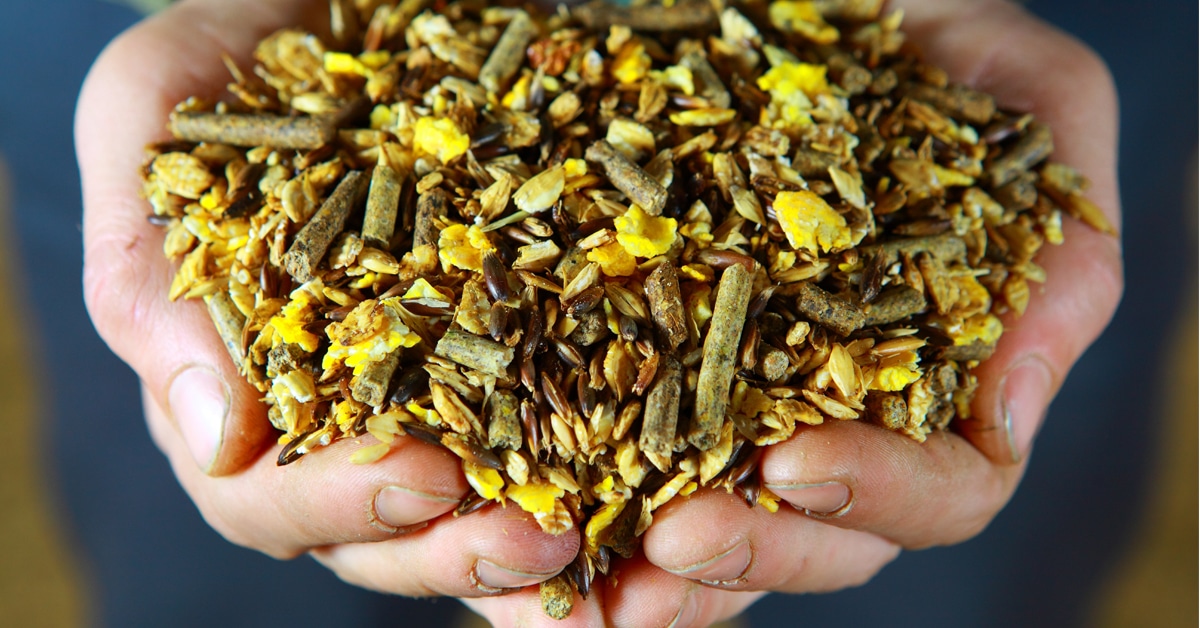
Beet pulp is a highly-digestible fibre source often used as an ingredient in equine commercial concentrates or fed alongside them as an added product. It can be beneficial in many equine rations, making it a common staple in feed rooms.
Despite beet pulp being a fantastic feed ingredient for many horses, there tends to be many myths around it. So let’s start with debunking some common ones!
Myth #1: Beet pulp has a high sugar content.
False! Beet pulp is a by-product of the sugar beet industry, meaning that after the sugar has been removed, this pulp is what remains. Despite the name ‘sugar beet’, the pulp is low in sugar and starch. Beet pulp that is plain (without added molasses) is often low enough in sugar even to be safe for horses with metabolic health concerns such as insulin resistance (IR), or horses with polysaccharide storage myopathy (PSSM).
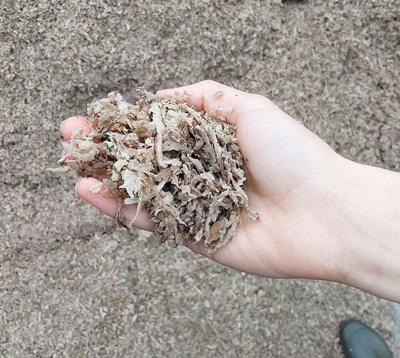
Beet pulp is a by-product of the sugar beet industry; after the sugar has been removed, the pulp is what remains. (Anja/creativecommons.org/Wikimedia Commons)
Myth #2: Feeding beet pulp dry might cause your horse’s stomach to explode.
False! Although strongly recommended, it is not required to soak beet pulp prior to feeding. Many commercial feeds contain beet pulp and do not state that soaking is required.
However, because there are numerous benefits to horses consuming soaked feed such as increased water intake, soaking is recommended whenever possible. Note that horses that consume their feed quickly, or have an increased risk of choke, should not be fed dry beet pulp.
Myth #3: Beet pulp is a grain.
False! Beet pulp is fibre. Grains, such as oats or barley, are primarily digested in the foregut of the horse through enzymatic action. Beet pulp is fibrous and is digested in the hindgut of the horse through microbial fermentation.
The term ‘grain’ is often overused in the realm of equine nutrition, as anything that comes in a feed bag might be referred to as ‘grain’. In reality, many of the commercially-available equine feeds are now fibre-based with ingredients such as beet pulp or alfalfa meal.
Myth #4: Feeding beet pulp will balance my horse’s ration.
False! Beet pulp does not provide a balanced ration of vitamins or minerals for a horse and is not rich in trace mineral content. Plain or molasses beet pulp can be added to the diet for additional calories, or protein, as it is a higher calorie fibre option that has a similar protein content to grass forages (~10%). However, it should not be relied on for the purpose of meeting vitamin or mineral requirements.
If beet pulp is part of your horse’s ration, ensure that they are also being fed a ration balancer or vitamin/mineral supplement.
When is feeding beet pulp beneficial?
Beet pulp is a good option for horses that need additional calorie supplementation above and beyond what their regular hay or pasture intake provides. It can also be beneficial for horses that have dentition abnormalities and struggle to consume long-stem hay, as when soaked, beet pulp is soft and easy for them to chew.
One additional consideration is that beet pulp has a lower potassium content than most grasses, so when working to manage a horse with hyperkalemic periodic paralysis (HYPP), it can be a great way to reduce potassium content in the diet without removing too much fibre from the ration.
Note that if you have a horse that easily maintains their weight, beet pulp might add unnecessary calories to the ration and result in unwanted weight gain.
Choosing the Correct Type for your Horse
Pelleted vs. shreds, molasses vs. plain ‒ which type of beet pulp is the right choice for your horse?
Pelleted beet pulp takes longer to soak in comparison with the shreds. When deciding between the two types, consider your facilities’ management – how much time in advance of feeding is it soaked? If the feed is soaked shortly before it is fed, the shreds might be preferable for your horse, whereas, if feed is being soaked multiple hours before, the pellets might work well. Note that if you are feeding beet pulp without soaking it, the shreds are preferable to the pellets.
Beyond the form, there is also the choice to have beet pulp with or without added molasses. As noted, if you have a horse that needs a low sugar ration, the plain (molasses-free) beet pulp is recommended. If your horse does not have any health concerns warranting a low sugar ration, the molasses beet pulp might be preferable, as it tends to be more palatable.
Take Home Message
Beet pulp is a high-calorie fibre source that can provide benefit to many different classes of horses. Understanding how, and when to incorporate it into equine feed programs is an asset. If you have questions about beet pulp for your horse, please contact your veterinarian or qualified equine nutritionist.
The Latest