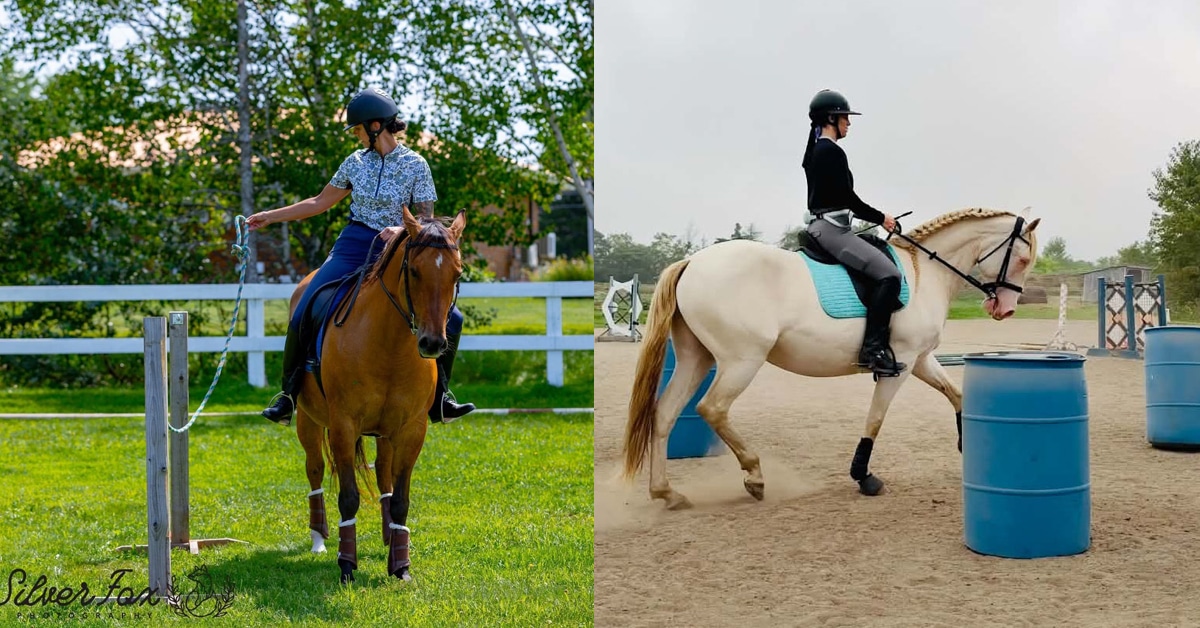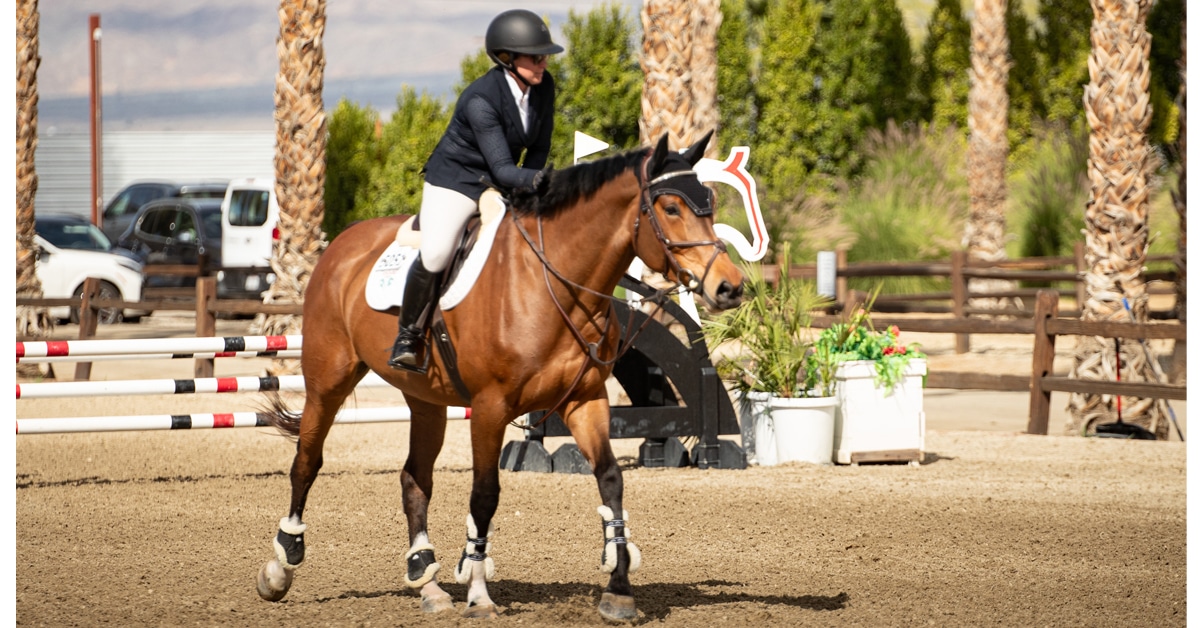
A horse with a weak topline is hard to miss. The back may look a little hollow, the loin less filled in, the croup flatter than it used to be. Sometimes the saddle no longer sits quite the same way. Sometimes the horse is carrying enough weight everywhere else, but still lacks the strength and roundness owners expect to see over the neck, back and hindquarters.
It is tempting to reach first for a topline supplement. In some cases, that is exactly the right move. But a topline is not built by one ingredient alone. It reflects the whole program: forage, calories, protein quality, vitamins and minerals, workload, age, comfort and recovery.
The question, then, is not simply “which topline supplement should I buy?” A better starting point is: what is limiting this horse from building or maintaining muscle?
1. What We Mean by Topline
The topline refers to the muscles running along the upper body of the horse, from the neck and withers across the back, loin, croup and hindquarters. These muscles help support posture, balance, engagement and power. They are also part of what gives a fit horse that strong, athletic outline.
A poor topline may be true muscle loss, but it can also be confused with poor body condition. A horse that is thin or underconditioned may look weak over the back because there is not enough overall body cover. Another horse may be at a healthy weight but still lack muscle definition because the diet does not provide enough of the right amino acids, or because the work is not developing those muscle groups.
That distinction matters. A horse short on calories needs a different solution than a horse whose protein quality is limiting muscle protein synthesis.
2. Start with the Base Diet
Forage is the foundation of the feeding program. Hay and pasture supply much of the horse’s daily energy and contribute to total protein intake. If forage quality is poor, intake is inconsistent, or the forage is not matched to the horse’s workload, topline development may stall even when a supplement is added.
Calories come next. When a horse is not taking in enough digestible energy to maintain condition, the body will not prioritize building muscle. The result can be a horse that looks flat, ribby or tucked up, with a topline that appears to fade as overall condition drops.
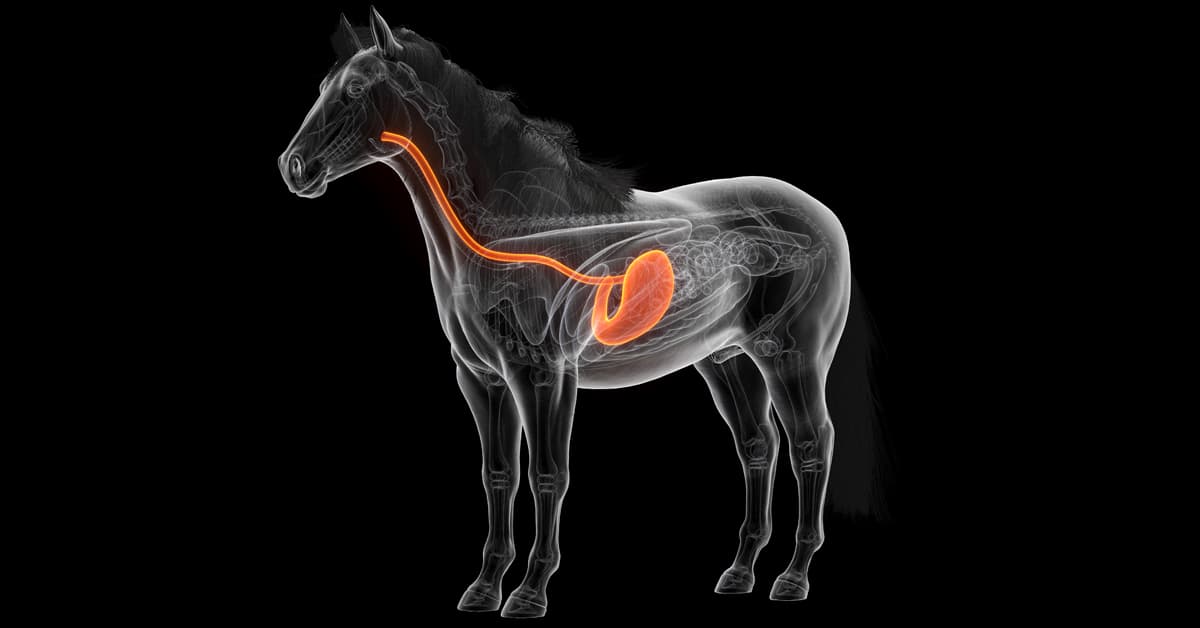
Protein quality is the other major piece. Horses do not use “protein” as one uniform nutrient. Dietary protein is broken down into amino acids, which are then used to build and repair tissues, including muscle. If one key amino acid is in short supply, the horse may not be able to use the rest of the protein efficiently.
3. The Amino Acid Bottleneck
For many horses, the most important amino acids to consider are lysine, methionine and threonine. These are often described as limiting amino acids, meaning they are the ones most likely to hold back protein use when the diet does not supply enough of them in the right balance.
This is where a targeted amino acid product can make sense. Mad Barn’s Three Amigos supplies lysine, methionine and threonine in a concentrated form. It is designed for horses that already have the basics in place, enough forage, reasonable body condition, and a balanced program, but still need support for muscle maintenance, recovery and topline development.
Three Amigos is not a calorie source or a complete vitamin and mineral balancer. Its role is more specific. It helps fill the amino acid gap when protein quality, rather than total feed intake, appears to be the limiting factor.
Think of amino acids as the building blocks. If the right blocks are missing, the horse cannot build the structure efficiently, no matter how much raw material is in the pile.
4. When the Whole Diet Needs Balancing
Some horses need more than amino acids. Forage-only diets often fall short in key vitamins and minerals. Complete feeds can also leave gaps when they are fed below the manufacturer’s recommended rate, which is common when owners are trying to limit calories, starch or cost.
Micronutrients do not build topline in the same visible way that work and protein do, but they support the metabolic processes behind muscle function and recovery. Vitamin E and selenium help protect muscle cells from oxidative stress. Magnesium and potassium support normal muscle contraction and relaxation. Trace minerals such as zinc, copper and manganese contribute to tissue integrity and repair.
For many horses on forage-based diets, Omneity® is the starting point. It provides a broad vitamin and mineral foundation, along with amino acids, digestive enzymes, yeast and B vitamins to support nutrient use. In practice, it is often the first layer in a topline program because it helps correct the quiet deficiencies that can limit a horse’s response to training.
Once that foundation is in place, a targeted amino acid supplement can be added if the horse still needs more support for muscle development or recovery.
5. The Performance or Metabolic Horse
Some horses have higher nutritional demands or more complicated diet considerations. A hard-working horse has greater needs for nutrients involved in muscle repair, antioxidant defence and tissue recovery. A horse with metabolic concerns needs a program that supports nutrient balance without adding unnecessary sugar or starch.
AminoTrace+ is suited to these more complex cases. It provides enhanced vitamin and mineral support, added amino acids and higher levels of key nutrients often needed by performance horses, horses with metabolic considerations, or horses consuming high-iron forage.
High iron intake can interfere with copper and zinc balance, which may affect coat quality, hoof health, immune function and overall nutrient use. In those situations, a more targeted mineral profile can be useful, particularly when forage analysis shows the need for precision.
6. When the Horse Simply Needs More Fuel
Not every topline problem begins with amino acids. Some horses look weak over the back because they are not taking in enough calories to maintain healthy condition. This may happen with picky eaters, seniors with dental challenges, horses on low-quality forage, or horses whose workload has increased.
For these horses, adding more starch or grain is not always the best answer. A fat source can increase calorie density without relying on larger grain meals. Mad Barn’s W-3 Oil is one option for adding concentrated “cool calories” while also supplying omega-3 fatty acids, including DHA, and natural vitamin E.
As body condition improves, the topline may look fuller simply because the horse is no longer running short on energy. But calories alone will not create muscle. The horse still needs adequate protein quality, balanced minerals and appropriate exercise.
7. Do Not Forget the Work
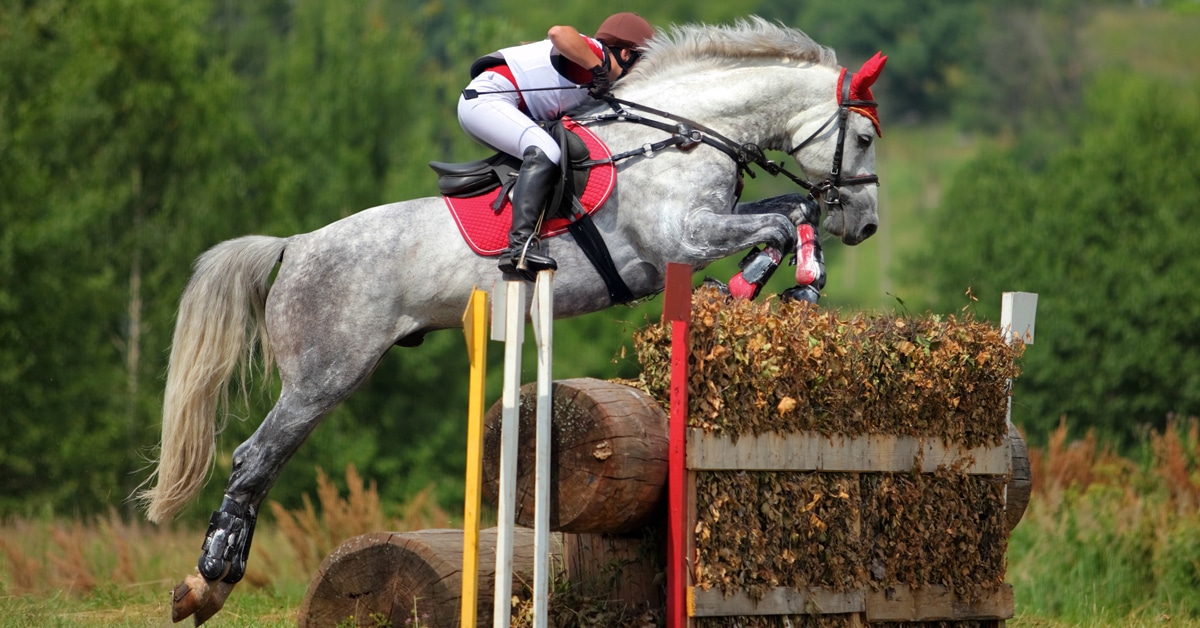
Nutrition supplies the materials, but exercise provides the signal. A horse cannot supplement its way into a strong topline without work that asks the body to engage, lift, carry and recover. The right program will vary depending on the horse’s age, discipline, fitness and soundness, but consistency is the common thread.
Pain can also change the picture. Back soreness, poor saddle fit, lameness, dental problems or chronic health concerns may cause a horse to move defensively and avoid using the topline properly. Rapid, one-sided or unexplained muscle loss should be discussed with a veterinarian.
8. Choosing the Right Support
The most useful supplement is the one that matches the horse’s primary limitation. For a horse in good body condition that lacks muscle definition, targeted amino acids such as Three Amigos may be the missing piece. For a horse on an unbalanced forage-based diet, Omneity® may be the more logical starting point. For a metabolic or hard-working horse with higher nutrient demands, AminoTrace+ may be a better fit. For a horse that is thin or struggling to hold weight, W-3 Oil can help address the calorie side of the equation.
Many horses need more than one layer of support. A common approach might be a vitamin and mineral balancer to set the foundation, a targeted amino acid supplement to improve protein quality, and a fat source if the horse also needs more calories.
9. The Takeaway
A healthy topline is built over time. It comes from a forage-first diet, sufficient calories, high-quality protein, balanced vitamins and minerals, appropriate exercise and careful attention to comfort and health.
Supplements can play an important role, but they work best when they are chosen for a reason. Before adding another product to the feed room, look at the whole horse: weight, forage, workload, age, soundness and the quality of the diet. The answer is often there.
If the picture is still unclear, a forage analysis and a diet evaluation with an equine nutritionist can help identify whether the limiting factor is energy, amino acids, mineral balance or something else entirely.
| If the main issue is... | Consider... | Why it fits |
|---|---|---|
| Good weight, weak muscle definition | Three Amigos | Targeted lysine, methionine and threonine support protein quality. |
| Forage-based diet with possible nutrient gaps | Omneity® | Broad vitamin, mineral and amino acid foundation for everyday balancing. |
| Metabolic concerns, high-iron forage or heavy workload | AminoTrace+ | Enhanced nutrient profile for more complex balancing needs. |
| Thin, ribby or lacking overall condition | W-3 Oil | Concentrated fat calories with omega-3 support for condition and coat quality. |
The Latest