Horse ownership, and horse sports, involve a certain amount of risk, and even the most experienced owners can suddenly find themselves facing an unexpected veterinary bill, liability issue, or insurance gap they never realized existed.
What many equestrians don’t recognize is that their insurance needs often change gradually over time. Leasing a horse to another rider, breeding a mare, teaching a few lessons at home, or taking on a couple of boarders can all affect the type of coverage required.
According to the equine insurance specialists at BFL CANADA – fellow horse people who truly understand the industry – these are some of the most common questions horse owners ask, and some of the areas most often misunderstood. As a 100% Canadian-owned and employee-owned company, BFL works closely with horse owners, coaches, and farm operators across the country and understands the unique realities of the Canadian equestrian industry.
1. Does my insurance change if I lease my horse?
Yes, it can.
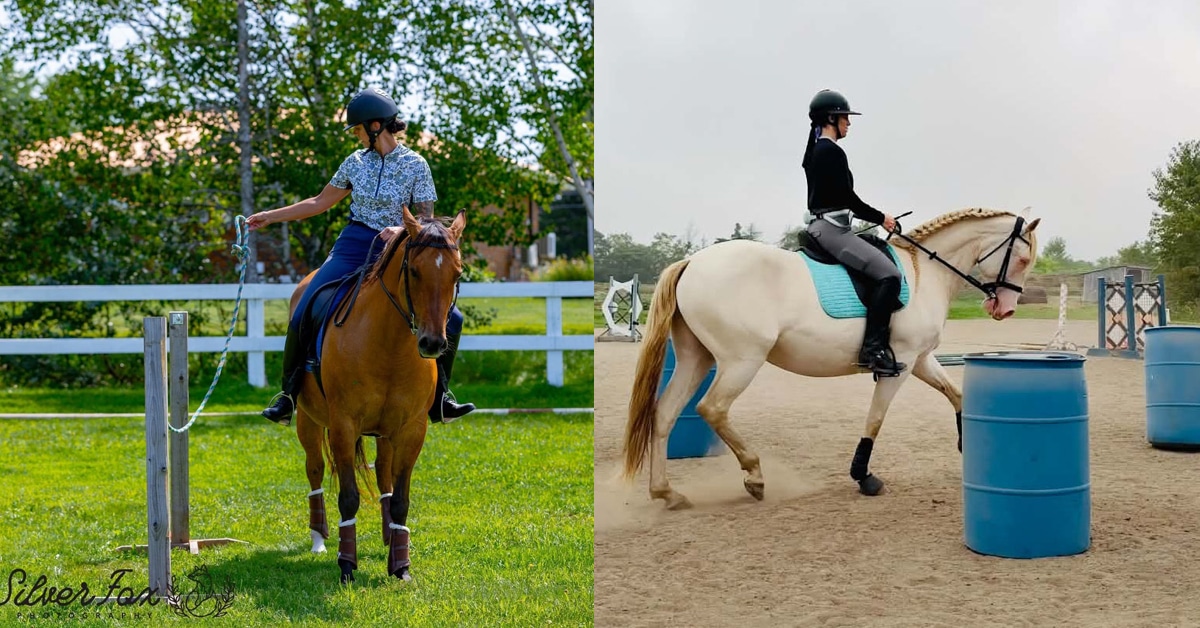
Leasing arrangements are increasingly common, particularly with rising horse ownership costs, but many owners assume their existing insurance automatically extends to every situation involving the horse. That is not always the case. If a horse is leased to another rider, it is important to notify your insurance provider so the policy can properly reflect the arrangement. BFL can add the lessee as an Additional Insured under both Major Medical and Liability coverages to help ensure that both parties are appropriately protected during the lease period. BFL policies also include $1 million in Personal Liability coverage, providing additional peace of mind if an accident or incident occurs involving the horse.
2. What changes when I breed my mare?
Breeding a mare may not seem like it should warrant a major insurance change, but it is something owners should report to their broker.
Once a mare is confirmed in foal, her declared use on the policy should be updated. The good news for owners is that the mare’s existing coverage generally remains in place during pregnancy, including protection for complications that may arise during or after foaling. However, many owners are surprised to learn that coverage does not automatically extend to the unborn foal. Insurance for the foal can typically be arranged once it is 24 hours old. Given the significant financial investment involved in breeding, understanding exactly what is and is not covered is an important part of managing risk.
3. What does Major Medical insurance actually cover?
Major Medical insurance is designed to help reimburse eligible emergency veterinary expenses resulting from injury, illness, sickness, disease, or lameness, up to the limits outlined in the policy.
Coverage can include issues such as:
- Colic surgery
- Tendon and ligament injuries
- Shipping fever
- Diagnostic imaging and treatment
- Other unexpected veterinary emergencies
As veterinary medicine and treatment options for horses continue to improve, so do the costs associated with those treatments. A single emergency can quickly result in bills reaching thousands, or even tens of thousands, of dollars. Major Medical coverage helps horse owners better manage those financial risks while ensuring treatment decisions can be made based on the horse’s needs, rather than being influenced by the cost.
4. Am I covered if I coach a few lessons at home?
Even teaching a small number of lessons is generally considered a business activity and is typically not covered under a standard home or personal horse policy.
Whether someone coaches one student a week or operates a larger lesson program, insurance providers need to be aware of the activity. Otherwise, owners may discover too late that they are exposed to liability they assumed was already covered. The good news is that equestrian farm insurance can often be tailored to include coaching and other business-related exposures as an operation grows and evolves. A quick conversation with a broker can help ensure coverage reflects what is actually happening on the property.
5. Does my farm insurance automatically cover boarded horses?
No, not necessarily.
Coverage for boarded horses is not automatically included under most farm insurance policies, and not all insurers offer the same flexibility when it comes to equestrian operations.
Even smaller farms that casually take on a few boarders should discuss the arrangement with their broker to make sure they have the appropriate protection in place. This is particularly important because many horse operations evolve gradually over time. A farm that began as a private property can slowly transition into a boarding, coaching, or training business without the owner fully realizing how much their risk exposure has changed.
The Importance of Reviewing Coverage Regularly
One of the biggest mistakes horse owners make is assuming their insurance never needs to change. In reality, coverage should be reviewed any time there is a significant change involving:
- Leasing
- Breeding
- Coaching
- Boarding horses
- Purchasing high-value horses
- Expanding business activities
- Traveling to competitions
For many equestrians, insurance is not something they think about until something goes wrong. But understanding coverage before a problem arises can make all the difference.
For more information about equine liability, farm insurance, and Major Medical coverage, visit BFL CANADA Equine Insurance.
The Latest