Ascorbic acid, also commonly known as vitamin C, is an important water-soluble vitamin that has antioxidant properties. Antioxidants play a critical role in neutralizing free radicals which are byproducts of normal metabolic processes. When these unstable molecules accumulate, they lead to oxidative stress, which causes damage to cells in the body.
The Role of Vitamin C
Antioxidants, such as vitamin C, can donate one of their electrons to the free radical to stabilize that molecule and prevent cellular damage, while remaining relatively stable themselves. In addition to the antioxidant role, vitamin C is also required for collagen synthesis, antihistamine control, bone calcification, and assists in the regeneration of vitamin E.
For humans, dietary intake of vitamin C is critical. Without adequate intake, humans develop scurvy (historically linked to sailors, but still occurring today due to malnutrition, alcoholism, and restrictive diets). Eating vitamin C-rich foods such as fruits and vegetables prevents this nutritional deficiency for humans.
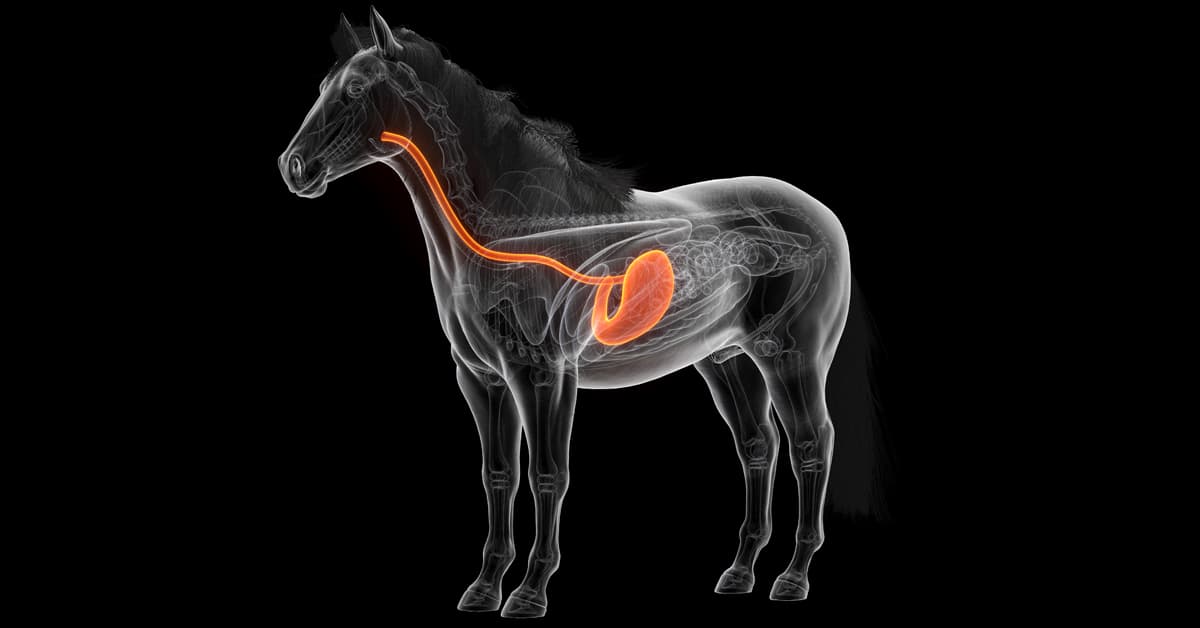
Horses, in contrast, do not require dietary intake of vitamin C. In the liver, horses are able to produce the enzyme L-gulonolatone oxidase which allows for the conversion of glucose into vitamin C. As long as the horse has a functioning liver and adequate glucose intake from sugars and starches in grains and forage, supplemental vitamin C is not required.
Supplementation Concerns
Although vitamin C plays a positive role in the body with its antioxidant role, it is important to remember that more of a good thing is not always better. In fact, there is concern that through vitamin C supplementation we can unintentionally cause deficiency.
It is believed that when there is dietary supplementation of vitamin C for a prolonged period, the horse will down-regulate their own production of L-gulonolatone oxidase in the body, resulting in decreased endogenous production of vitamin C.
A study published in 2012 investigated supplementing vitamin C to weanlings following transportation stress to maintain plasma levels. Both supplemented groups did have a slight increase in plasma levels of ascorbic acid, but they presented with decreased plasma concentrations for 1-3 weeks following the removal of the supplement.
Currently, it is recommended that if a vitamin C supplement has been fed for more than 10 days, it should be removed from the diet over the course of a couple of weeks to allow for the horse to return to normal body production.
When to Consider Supplementation
Vitamin C is not a supplement that should be added for no clear reason, as research has shown we can negatively impact the horse’s own production of the vitamin when abruptly removing the supplement. However, there are some instances in which it can be beneficial.
When demands for antioxidants increase, resulting in stress on the body, the horse might not be able to synthesize enough vitamin C to meet their needs. Horses in a heavy workload, experiencing prolonged travel, compromised health, or decreased immunity might benefit from the addition of vitamin C to their ration.
A study that investigated vitamin C in weanlings found that foals had lower-than-normal plasma ascorbic acid levels during weaning. Additionally, blood ascorbic acid levels have also been found to be low in horses with recurrent airway obstruction. These findings suggest that in times of excess stress, horses may struggle to produce enough vitamin C to meet their requirements. However, more research is required to determine ideal dosage levels, and clear recommendations when supplementation is required.
Some commercial feeds and vitamin/mineral premixes have small amounts of added vitamin C. These amounts are generally not enough to elicit a health benefit in the horse, as vitamin C is susceptible to oxidation, so the potency does not remain stable. This is similar in hay; although fresh plant matter is rich in vitamin C, once cut for hay the levels of vitamin C deplete quickly.
Fresh plant matter such as pasture or even sprouts are good sources of vitamin C. (Sprouted barley is most common, but oats, wheat, corn or mung beans can be used; the vitamin C content of oats can increase by up to 600% on sprouting.) There are commercial supplements available, too, however, note that over 3 grams of vitamin C per day must be supplemented to even elicit a change in the blood levels of a horse.
As previously mentioned, ideal dosage amounts are unknown, but research in horses with recurrent airway obstruction saw symptom improvement with vitamin C supplementation at 30 mg/kg body weight per day. On the other hand, a study investigating the antibody response of aged horses saw an increased response with supplementation at 20 grams per day.
Take Home Message
If you have a healthy horse, vitamin C supplementation is not required. In fact, by adding vitamin C you might negatively impact your horse’s own production of the vitamin. For horses under prolonged stress, or struggling with compromised health, adding vitamin C might be beneficial; however, limited research on dosages and bioavailability poses additional questions, so it is best to discuss with your horse’s nutritionist or veterinarian prior to feeding a vitamin C supplement.
The Latest