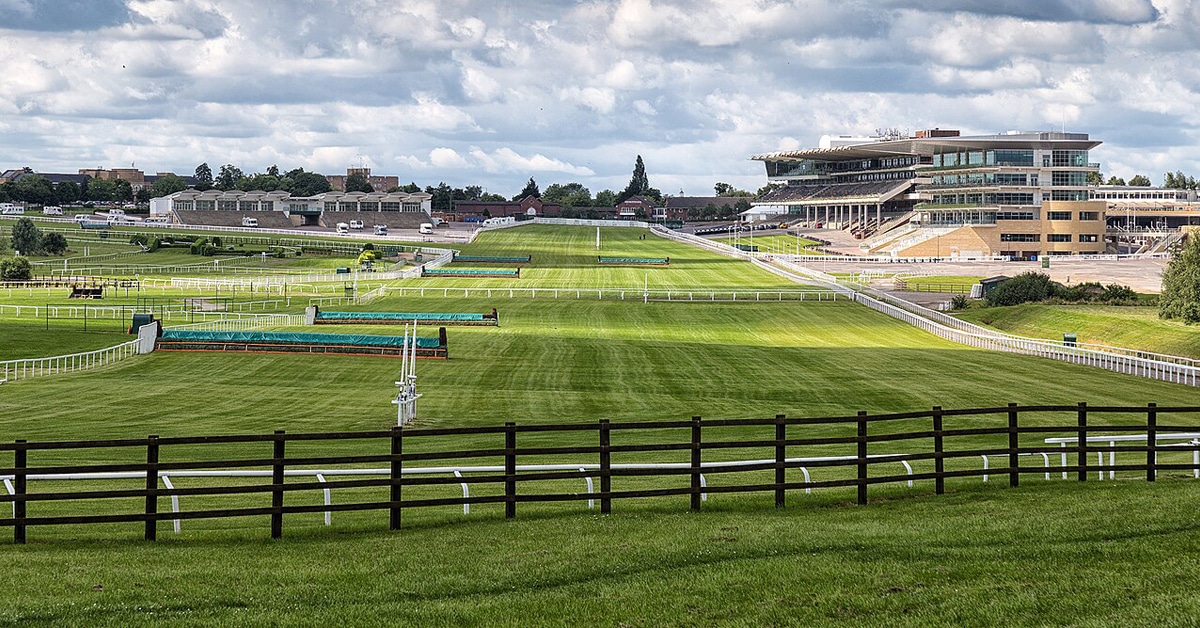
Every year, racing fans convince themselves that this is the one. The form looks solid, the trends point one way, the big names are in the field. And then Cheltenham does what Cheltenham does. It humbles the confident, rewards the patient, and hands the week to the bookmakers while punters stand in the enclosure wondering where it all went wrong.
The 2026 festival was a particularly sharp lesson in that regard. Horses that looked nailed on beforehand found ways to lose. Longshots that had no business winning did exactly that. By the final day, anyone who had gone in with a tidy ante post list and stuck rigidly to it was having a very quiet drive home.
Cheltenham Has Always Eaten Favourites for Breakfast
This is not a new phenomenon. The hill, the ground, the unique demands of festival racing in front of a crowd that size, it all creates conditions that expose weaknesses you simply cannot spot on a racecourse in January. Horses that dominate on the flat run-in elsewhere find the climb unforgiving. Horses with jumping questions get found out when the fences come faster and the pace is higher than anything they have faced before.
The statistics on how rarely market leaders actually oblige at Cheltenham make for uncomfortable reading if you have spent months building a betting portfolio around them. Which is exactly why getting your research done early matters. Good Cheltenham ante post tips account for this unpredictability rather than just chasing the names that everyone else is already on.
The Horses Nobody Backed Told the Real Story
The winners that defined this festival were not the ones everybody had circled in November. They were the ones who had been quietly building a case that most people had not taken seriously enough, or had simply overlooked in favour of shinier options.
Home By The Lee winning the Stayers’ Hurdle after multiple previous attempts at the festival was a story that only made sense in hindsight. Gaelic Warrior taking the Gold Cup looked obvious the moment the race unfolded, but the money had not all been on him before the week began.
That gap between what the form book suggested and what actually happened is exactly what makes Cheltenham so maddening and so compelling in equal measure. It is also what makes blanket ante post confidence such a dangerous position to be in.
When the Big Names Do Not Show Up
Part of what made 2026 particularly brutal for punters was the number of fancied horses that simply did not make it to post, or arrived and were not themselves. Big reputations built across the season have a way of evaporating when the week arrives, whether through injury, ground concerns, or simply a horse that had been campaigned up to a peak and was just slightly past it by March.
You cannot budget for those withdrawals in an ante post market. That is the deal you make when you commit months in advance. The price is better, the field is wider, and the uncertainty is greater. When it works, it looks brilliant. When the horse you backed at a long price in November is scratched the morning of the race, it just feels like bad luck dressed up as strategy.
What Smart Punters Do the Week After Cheltenham
Here is the thing about a festival that goes the way this one did. It is actually one of the better times to start thinking about next year. The horses who ran well without winning have obvious targets. The novices who caught the eye have Gold Cups in their future.
The form from four days of top-level jumping is fresh, uncontested, and more reliable than anything you will get from reading previews in December when half the relevant runs have not happened yet.
The ante post markets for next year’s festival will open gradually over the coming months, and the value tends to be sharpest before the narrative hardens around a handful of fashionable names. Getting in early, with a clear view of what you actually saw over those four days in March, is a more grounded approach than waiting for the consensus to form and then following it in.
The Horses Are the Thing
It is easy to get so deep into the betting side of Cheltenham that you lose sight of what makes the festival worth caring about in the first place. These are extraordinary animals doing something genuinely difficult at the absolute peak of their ability. Home By The Lee winning on his fifth attempt at the festival is a story about a horse and the people around him who refused to give up on him. Gaelic Warrior’s Gold Cup was a performance of controlled power up that hill that you do not forget easily.
The betting is part of the story, not the whole of it. The festival’s history goes back to 1860, and the stories that have accumulated across those years are what give any single result its weight.
For anyone who wants to stay close to the sport through the long months between festivals, the wider equestrian world has plenty to offer.
The Latest