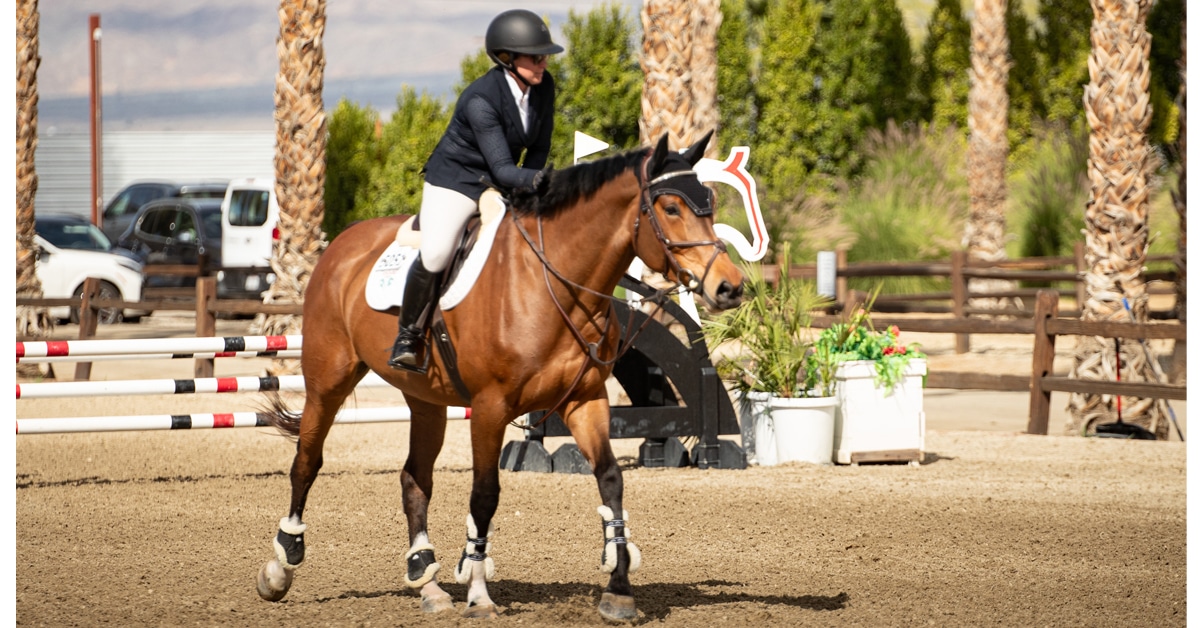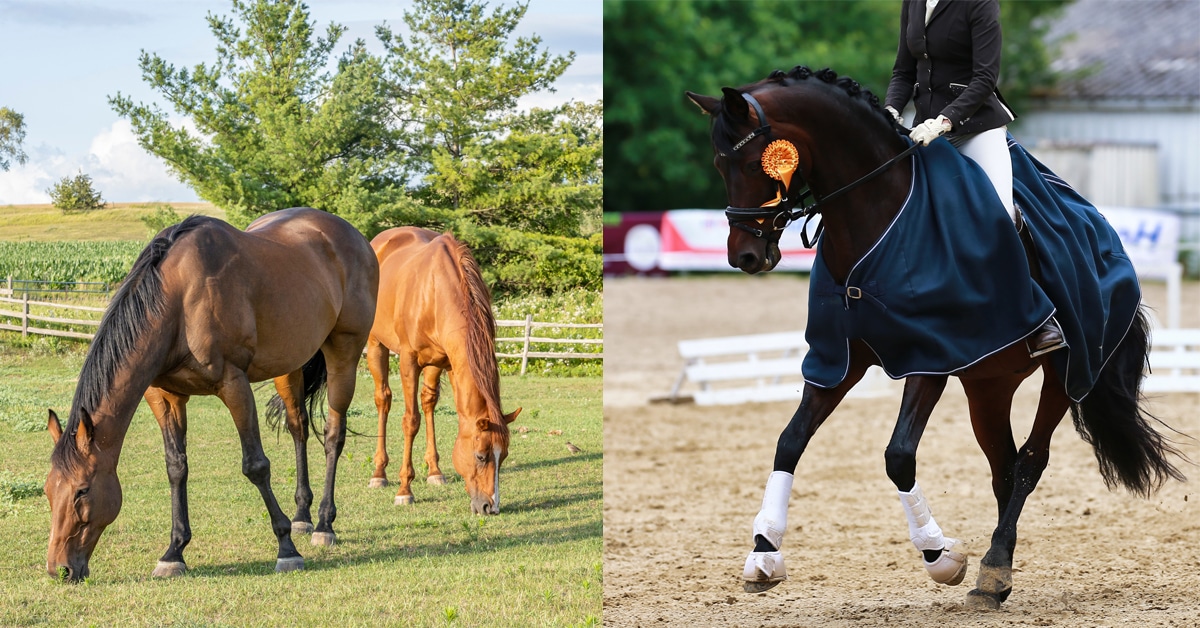
Show season is an important time for many horse owners, but no matter how well it is managed, stress is being added to the horse. One of the key ways we can support our horses through this busy season is with optimal nutritional management.
When travelling with your horse to events, there tends to be a focus on what can be added to the ration, like a gut support product, or calming supplement. Although there are some positive additions that can be made, managing the home environment should be the top priority.
Remember that show season is what matters to us, but the horse doesn’t care whether they place first or last – they care about their basic needs being fulfilled continually.
The Importance of Home
Optimal management at home sets our horses up for success when travelling. Whenever the horse is under stress, many owners are actively concerned about the development of health issues such as gastric ulcers. However, these take time to develop, and prevention starts long before the trailer leaves the driveway.
Horses thrive on routine, so changes to forage, feeding schedules, and turnout routines add unnecessary stress to an already demanding time.
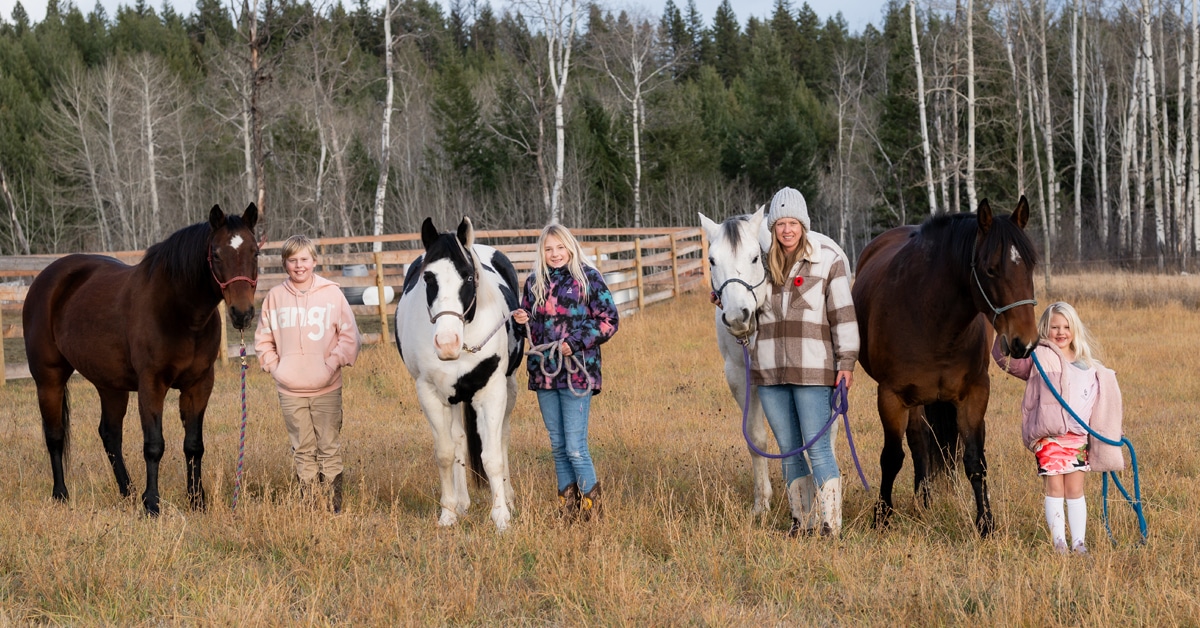
Take a moment to consider your horse’s regular management. Do they have ample access to the ‘3 F’s’ – forage, friends, and freedom? If they have regular social isolation, and fasting periods due to limited forage or inadequate slow feeding, that is where the management changes should start, before curating a plan for travel. A horse who has their basic needs met at home will be better equipped to handle the inevitable challenges that accompany travel and competition.
The horse’s day-to-day management has a much greater impact on health and resilience than any supplement added a few days before an event. By prioritizing their needs at home, we can help them better cope with the demands of show season.
Stress Management
Stress influences numerous aspects of well-being such as behaviour, digestive health, immune function, feed intake and hydration status. Horses thrive on routine, so working to maintain consistency whenever possible is critical. Changes to forage, feeding schedules, and turnout routines add unnecessary stress to an already demanding time for the horse. Considering how to best keep everything consistent for your horse including forage, water, and daily schedule should be considered when curating a travel management plan. By keeping their regular routine, we can reduce the stress they are experiencing when travelling.
Nutrition Considerations
Forage
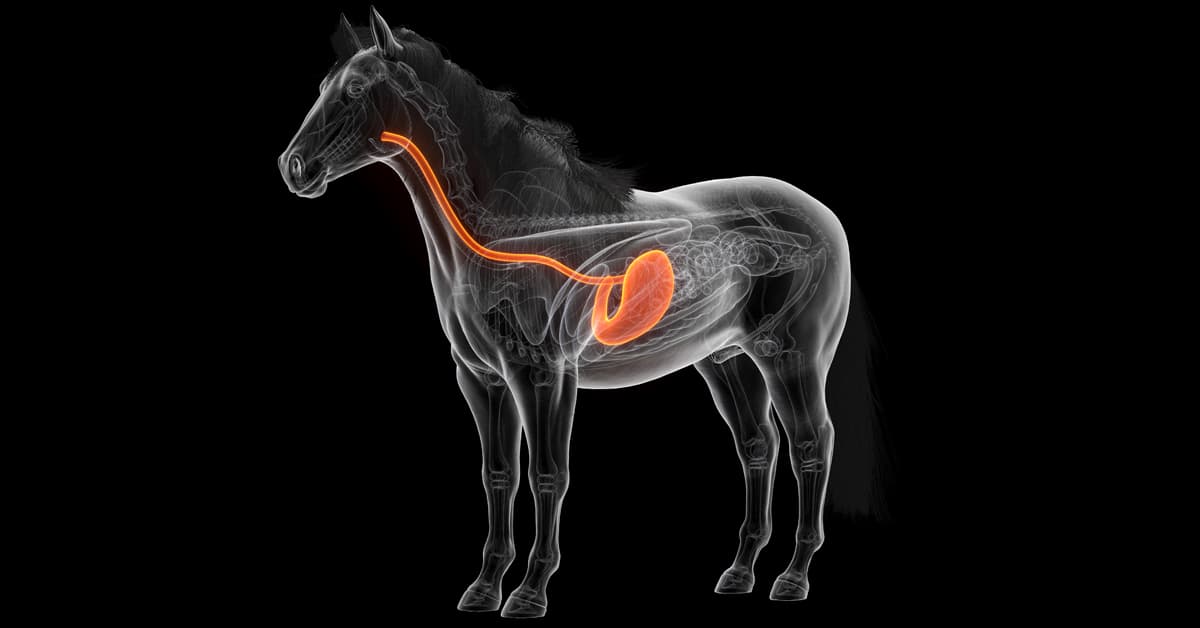
Forage is the primary component of equine diets. Sudden changes will negatively impact your horse’s gastrointestinal health. Bringing familiar hay and fibre-based feeds can help to reduce digestive disturbances when travelling. If possible, bring enough hay from home to maintain your horse throughout the duration of travel.
Providing 25% new hay with 75% hay from home will extend the time that your hay from home will last.
In situations when the travel is prolonged, and not enough hay from home can be brought to maintain your horse on for the duration of the trip, it is recommended to combine your hay from home with hay from the location you have travelled to. For example, providing 25% new hay with 75% hay from home will extend the time that your hay from home will last. This will lessen the negative impact on your horse’s gastrointestinal tract and make their transition back to the forage at home easier, too.
Maximizing forage intake is recommended for horses travelling, therefore, caution should be exercised if forage intake is being replaced with increased amounts of energy-dense concentrates to increase calorie intake while competing, as the concentrates cannot replace the physiological and behavioural benefits of forage.
Calories
Show season and travel generally coincides with increased training intensity and competition frequency. As the horse’s workload increases, they must consume more calories to maintain their body condition.
Working with a qualified equine nutritionist can help you calculate calorie requirement changes based on workload adjustments. However, it is not recommended to begin adding calories just because your horse is going to be competing. Feed programs should be adjusted according to changes in body condition and workload.
Sometimes, owner perception of workload changes might anticipate more supplemental calories than are needed in reality. When increasing calorie intake, it is preferable to start by maximizing the intake of quality forage. Note that even though many owners think that horses need more calories during show season, some horses actually gain excess weight with pasture access during these months.
Nutritional management should always reflect the individual horse. Tracking your horse’s hours and intensity of work and body condition score will equip you with the knowledge to make informed feed decisions instead of guessing.
Hydration
Another critical consideration is hydration! Travel, heat, exercise, and stress all increase fluid losses, while often simultaneously leading to reduced water intake. Additionally, in stressful environments with unfamiliar water, the horse may be reluctant to consume adequate amounts to replace the fluid losses.
Whenever possible, it is recommended to bring water from home, as it is familiar to the horse. Introducing electrolytes or water-flavouring agents is an additional way to promote water intake and in turn, hydration. Ensure to test these strategies at home in advance of travel to identify which approaches are most effective for your horse.
Take Home Message
Successfully managing your horse through show season is not about finding the perfect support supplement. It begins with creating a management program that optimally supports the horse’s physical and behavioural needs every day of the year.
Horses that have appropriate nutrition at home, with ample access to social interaction, forage, and freedom of movement, are better prepared to cope with the stress of travel and competition. By prioritizing optimal at-home management, and limiting any unnecessary dietary changes, we can help horses remain healthy and comfortable during this stressful season.
The Latest