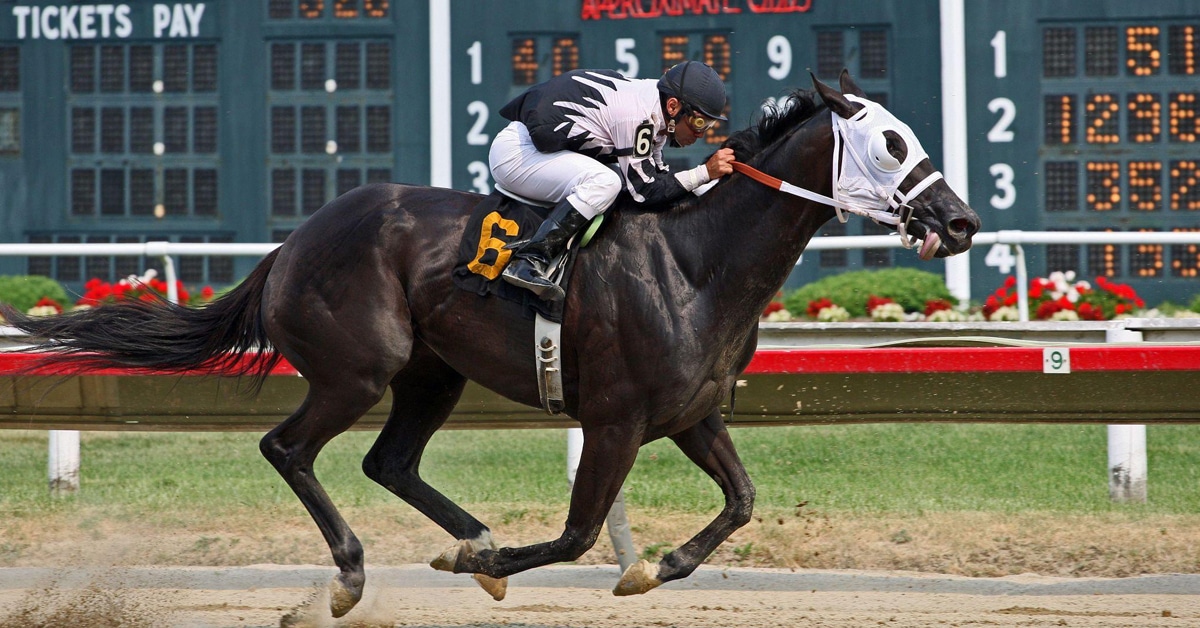
Take a step back and look at a racetrack in 1995 and then check out one today; the difference speaks volumes. Horse racing has always had a deep bond with betting culture, but that world used to be smaller, bound up in racetracks and the clatter of physical bookmakers. Today, online sports betting isn’t just changing the way people place bets: It’s pulling the rest of equestrian sports into the digital arena, kicking up dust across disciplines that were once an afterthought for gamblers.
The online betting boom is about more than convenience: Sure, anyone with a phone can now place a bet from their kitchen table, but it’s also re-shaping the whole culture. Horse racing, naturally, fits right in: Deep traditions of stats, history and passionate fans lend themselves perfectly to data-driven betting platforms. People aren’t just slapping down money and hoping for the best, they’re poring over trainer reports, breeding history, weather projections and even comments about how a horse handled travel in the days before a race.
But the twist is: This obsession with data and easy access hasn’t stopped at racing. Show jumping, dressage and eventing may not have long histories with betting, but exposure on these platforms has started to turn some heads. Suddenly, people who never considered equestrian sports before are tuning in, reading up and learning more about disciplines they used to skip over. Some folks start by placing a $10 bet on the Kentucky Derby and end up tracking Grand Prix jumping online, turning what started as a casual hobby into a budding fascination.
Spotlight and scale as equestrian sports get a new stage
One of the biggest shifts is simply this: More eyeballs. Betting platforms don’t just host odds, they host live streams, instant stats, social conversations and up-to-the-minute results. Horse racing is now drawing crowds from places the track never reached before. Even the time zones have flattened out; a punter in London is suddenly watching a race in Dubai and not just as an observer but as an engaged participant.
It doesn’t stop there. People who drift in through racing sometimes find themselves browsing other events, maybe a world-class dressage final streamed halfway around the world or a behind-the-scenes feature on eventing horses. The effect is real. Equestrian sports, which struggled for broad popularity and media attention outside of two or three big races a year, are now seeing slow but steady surges in interest. That’s good news up and down the sport: More interest brings in advertisers, more sponsorship deals and more money getting distributed throughout the industry.
Smarter fans makes smarter bets
Here’s another thing: Online betting has made equestrian fans sharper. They’ve got access to databases filled with race times, training performance, bloodlines and advanced analytics: Basically, everything you’d ever want to know about a horse, rider or contest. And the days of blind luck are fading. With sites comparing the best sports betting apps, anyone can make informed decisions on where to place their bets. For example, at Sportsline sportsbooks, anyone can easily find the best reviewed sports betting platforms, including the ones with the most access to useful data.
These fans reach for expert advice, but they’re not just copying picks, they’re learning to break down stats and spot trends. The more data they grab, the more nuanced their coverage gets. Suddenly, even casual fans can engage in meaningful conversations, predicting not just which horse will win, but explaining exactly why certain choices matter.
The money trail
Money, of course, follows attention. More online bets mean more money circulating through the sport, even if racetrack attendance doesn’t jump. Higher betting turnover boosts track revenues, which in turn makes the sport more interesting to sponsors looking to reach bigger and more engaged audiences.
Winning horses, trainers and jockeys get a visibility boost. They attract fans, media coverage and new deals, and that value often trickles down. Suddenly, a trainer who wins a few big races might find themselves attracting better bloodstock, while stables get the funds they need to invest in facilities and staff.
There’s a knock-on at the community level, too. Interest in betting pulls more people into riding lessons, local shows and small competitions. Small businesses, including riding clubs, tack shops and local breeders, start to see subtle upticks as the industry feels more alive and relevant.
Changing the clubhouse
For a long time, equestrian sports were walled gardens; beautiful, but hard for outsiders to understand or join. Betting platforms are quietly breaking down these barriers. They don’t just offer a way in; they create a reason to stick around. Newcomers can jump in with zero knowledge, placing a bet and then learning as they follow along. They study stats, get hooked by stories and suddenly the house that once felt locked now has open doors.
This accessibility shifts the mood. Instead of equestrian sports feeling like something set apart, reserved for a lucky few, they begin to feel like regular sports: Open, a little unpredictable and genuinely fun to follow.
At their core, equestrian sports and betting fit together pretty naturally. Horses don’t always play by the rulebook: Odds-on favorites lose, dark horses charge unexpectedly and the smallest variables, such as a sudden rainstorm or a restless horse at the gate, can change everything.
The Latest