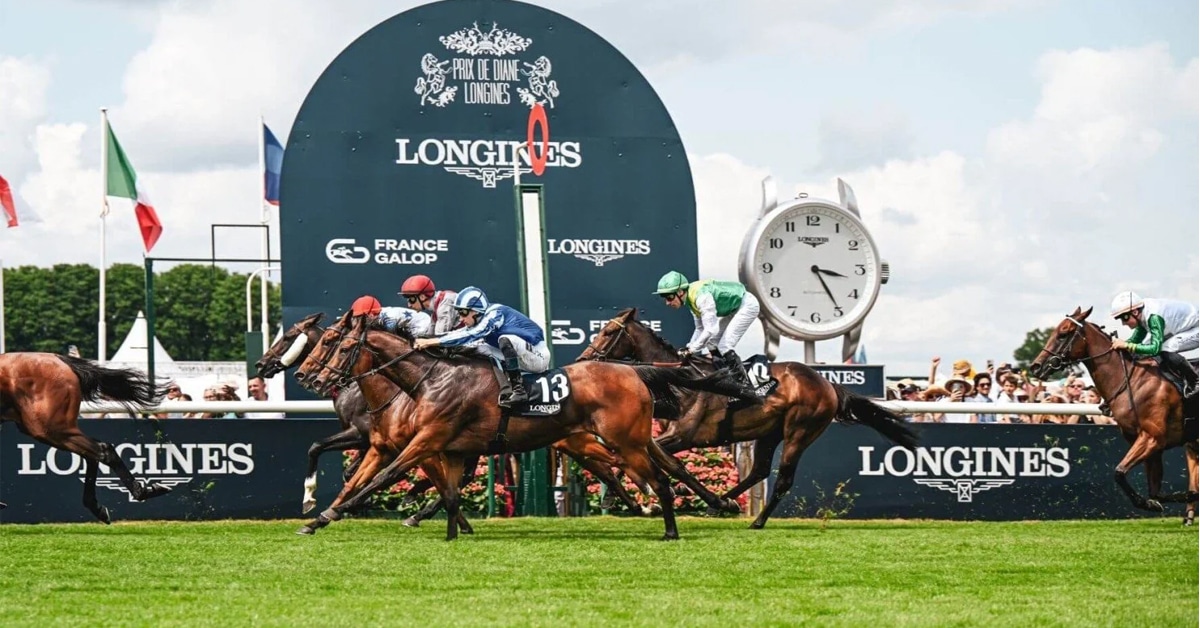
Equestrian sport is no longer confined to its traditional image of heritage, exclusivity, and legacy luxury partnerships. It has grown into a dynamic global industry shaped by commercial innovation, cross-sector collaboration, and evolving audience engagement. With events like the FEI World Equestrian Games attracting athletes from over 70 countries, the scale and influence of the sport continue to expand. This transformation is closely tied to the rise of diverse sponsorships, where brands far beyond the equestrian niche are entering the arena and redefining how the sport is funded, marketed, and experienced.
The Global Expansion of Equestrian Sport
The global footprint of equestrian sport has expanded significantly over the past decades, driven by increased international participation and broader media coverage. Events such as the FEI World Equestrian Games stand as a powerful example, drawing athletes from over 70 countries. This level of participation highlights how equestrian competition has evolved into a truly worldwide phenomenon. The diversity of nations involved brings varied styles, training systems, and competitive philosophies, enriching the sport’s overall identity while also creating new opportunities for sponsors seeking access to international audiences with strong purchasing power and loyalty.
Legacy Partnerships with Luxury Brands
Equestrian sport has long been associated with heritage and refinement, which explains its historical reliance on luxury sponsors. Rolex remains one of the most prominent names in this space, maintaining a long-standing partnership with prestigious competitions such as the Rolex Grand Slam of Show Jumping. This relationship reinforces the sport’s elite image while aligning Rolex with values like precision, excellence, and tradition. The continuity of such partnerships demonstrates how legacy branding still plays a crucial role, even as newer industries begin to participate in the sponsorship ecosystem.
The Emergence of Non-Endemic Sponsors
A noticeable shift has occurred as non-endemic sponsors enter equestrian sport, bringing fresh perspectives and innovative approaches. Technology companies, wellness brands, and financial services firms are increasingly investing in equestrian events, recognizing the value of a niche yet affluent audience. These industries contribute not only financial backing but also new forms of engagement, such as performance tracking tools, health-focused rider programs, and tailored financial solutions for athletes and teams. This diversification signals a broader transformation where equestrian sport is no longer dependent solely on traditional luxury affiliations.
Commercialization and Industry Growth
The commercialization of equestrian sport reflects its evolution into a structured and competitive global industry. With large-scale events and international participation, sponsorship deals have become more sophisticated, involving multi-layered agreements and cross-platform exposure. Financial backing from various sectors allows organizers to enhance event quality, improve facilities, and expand prize offerings. The presence of athletes from over 70 countries further strengthens the sport’s commercial appeal, creating a marketplace where sponsors can connect with diverse yet high-value demographics.
Audience Value and Niche Engagement
Equestrian audiences are often characterized by strong brand loyalty, higher disposable income, and a deep emotional connection to the sport. This makes them particularly attractive to sponsors seeking meaningful engagement rather than sheer volume. Unlike mass-market sports, equestrian events offer targeted exposure to a niche audience that values quality and authenticity. The appeal of this demographic has encouraged companies from outside the traditional equestrian sphere to invest, recognizing that smaller but more engaged audiences can deliver significant returns on sponsorship investments.
Digital Transformation in Sponsorship Strategies
The rise of digital platforms has reshaped how equestrian sport interacts with fans and sponsors. Online streaming, social media, and analytics tools have made it possible to measure engagement with greater precision. Sponsors now rely on data-driven insights to evaluate performance, tailor campaigns, and maximize visibility. Digital strategies also allow equestrian events to reach audiences beyond physical venues, expanding their global influence. This shift toward measurable outcomes has made the sport more attractive to modern brands looking for transparent and effective marketing opportunities.
Integration with Broader Sports Ecosystems
As equestrian sport becomes more integrated into the wider sports landscape, new forms of engagement are emerging. Platforms similar to the best sports betting apps in the U.S. market are increasingly relevant, offering insights into fan behavior, preferences, and interaction patterns. These platforms contribute valuable data that can inform sponsorship strategies, helping brands understand how audiences engage with events in real time. The connection between equestrian sport and broader sports ecosystems reflects a growing trend where traditional boundaries are blurred in favor of more interconnected and data-rich environments.
Innovation Through Cross-Industry Collaboration
Collaboration between equestrian sport and technology companies has introduced innovations that enhance both performance and spectator experience. Wearable devices, advanced analytics, and real-time tracking systems are becoming more common, providing deeper insights into horse and rider performance. These advancements not only benefit athletes but also create new storytelling opportunities for sponsors. By aligning with cutting-edge technology, equestrian events can present themselves as forward-thinking and relevant in a rapidly evolving sports landscape.
The Balance Between Tradition and Modernization
Despite the influx of new sponsors and technologies, equestrian sport continues to value its traditions. The challenge lies in balancing this heritage with the demands of modernization. Long-standing partnerships with brands like Rolex coexist with newer collaborations, creating a layered sponsorship environment. This balance ensures that the sport retains its unique identity while adapting to contemporary expectations. The coexistence of tradition and innovation is a defining characteristic of equestrian sport’s current evolution.
Future Outlook for Equestrian Sponsorship
The future of equestrian sponsorship is shaped by continued diversification and global growth. With events attracting athletes from over 70 countries, the sport’s international appeal is set to increase further. The involvement of non-endemic sponsors, combined with digital innovation and data-driven strategies, points toward a more dynamic and inclusive sponsorship landscape. As equestrian sport continues to integrate with broader industries, its ability to attract investment and engage audiences will likely strengthen, ensuring its position as a unique and evolving segment within the global sports market.
The Latest