When a horse loses a close companion, many owners sense something deeper than simple routine disruption. But do horses actually grieve? A recent study by researchers in the UK and Italy and published in ScienceDirect sought to shed light on this question, combining scientific inquiry with the lived experiences of horse owners.
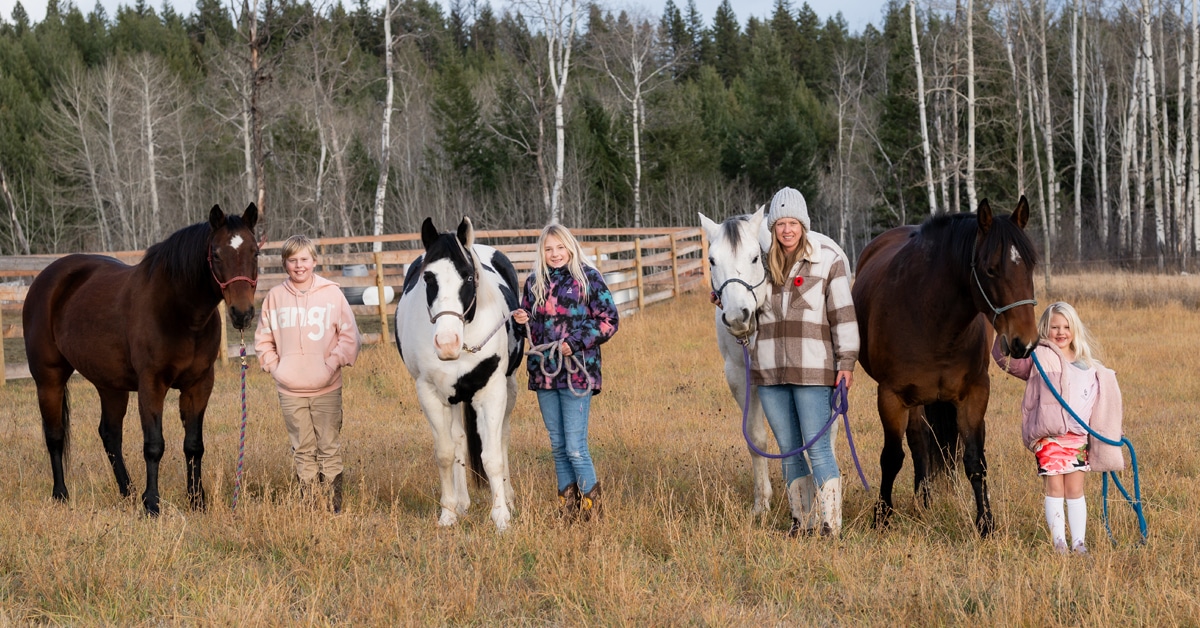
Horses are highly social animals who form strong bonds with other horses, even developing close, affectionate relationships, both in the wild and in domestic settings, Because of this, researchers have long suspected that losing a companion could have emotional consequences. Yet, surprisingly little formal research has explored how horses respond to death within their social group.
The study aimed to fill that gap by examining behavioral changes in horses after the loss of a conspecific – another horse, pony, or donkey companion. Researchers used an online survey completed by owners of 325 horses who had lost a companion. Participants provided detailed information about the horses’ relationships, the circumstances of the death, and any behavioural changes observed immediately afterward and in the months that followed.
While this approach relies on human perception and therefore has some limitations, it allows for a broad dataset that would be difficult to gather experimentally.
The first 24 hours
Within 24 hours of a companion’s death, many horses showed noticeable behavioural changes. Owners most commonly reported:
- increased alertness or vigilance
- more vocalization, such as neighing or calling out
- changes in interactions with humans or other horses
- heightened excitement or agitation, especially around feeding time
These behaviours suggest a state of arousal or distress. Some horses appeared restless or unsettled, as though searching for the missing companion.
Interestingly, horses that had actually witnessed the death were more likely to show disruptions in basic behaviours like eating and sleeping. They also tended to become more watchful of their surroundings, indicating a heightened awareness or possible stress response.
Strength of relationships
Not all horse pairings are equal; the study found that the strength of the relationship mattered significantly.
Horses that had shared an affectionate bond, rather than simply coexisting in the same barn, were more likely to show changes in behaviour after the loss. These changes included altered enthusiasm for social interaction and differences in how they behaved around humans or feeding routines.
This finding mirrors what is seen in many social species, including humans: the closer the bond, the stronger the reaction to loss.
Do the effects last?
One of the study’s most striking findings is that these behavioural changes are not always short-lived. In many cases, they persisted for up to six months.
Long-term effects included:
- ongoing changes in social behavior
- altered levels of excitement or engagement
- continued vigilance or sensitivity to the environment
This suggests that the loss of a companion can have lasting welfare implications, not just a brief adjustment period.
Viewing the body
A particularly intriguing aspect of the research explored whether allowing a surviving horse to spend time with the deceased companion made a difference. In the first 24 hours, it didn’t seem to matter. However, over the longer term, a pattern emerged:
- horses that were allowed to see the body showed fewer lasting changes in vocalization and excitement
- horses that were not allowed access were more likely to remain highly alert or aroused months later
This raises the possibility that exposure to the body may help horses process the loss in some way, although more research is needed to confirm this.
Conclusion and takeaways
So, do horses grieve? The study stops short of making definitive claims. Instead, it concludes that horses display grief-like behaviors – patterns consistent with distress, social disruption, and adjustment following loss.
However, because the data relies on owner reports rather than controlled observation, human emotions, memory bias, and interpretation may influence how behaviours are described. Even so, the consistency of reported patterns across hundreds of cases adds weight to the findings.
For those who care for horses, the takeaway is practical as well as emotional. Losing a companion is not just a logistical change; it can affect a horse’s well-being for months. In these situations, owners may want to:
- consider allowing the horse to see the deceased companion, where appropriate
- monitor eating, sleeping, and stress-related behaviours
- provide additional social contact or companionship
- maintain consistent routines to reduce anxiety
Ultimately, this research highlights something many horse owners already suspect: horses are deeply social beings whose emotional lives are more complex than once assumed, and when a horse loses a friend, the impact runs deeper than we might have imagined.
The Latest