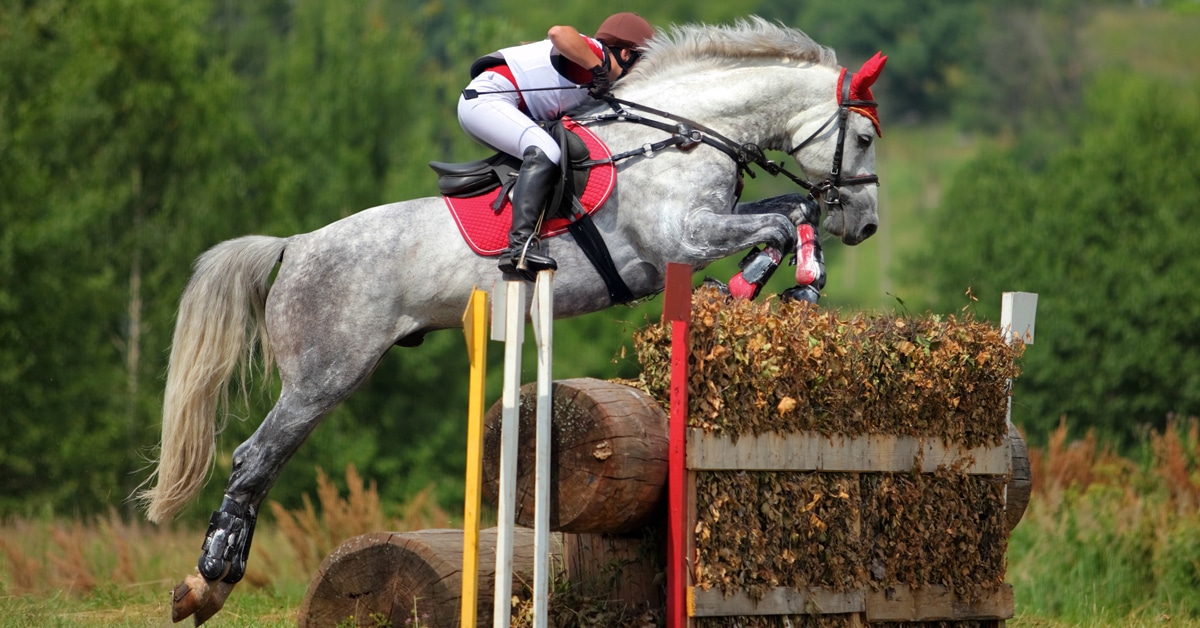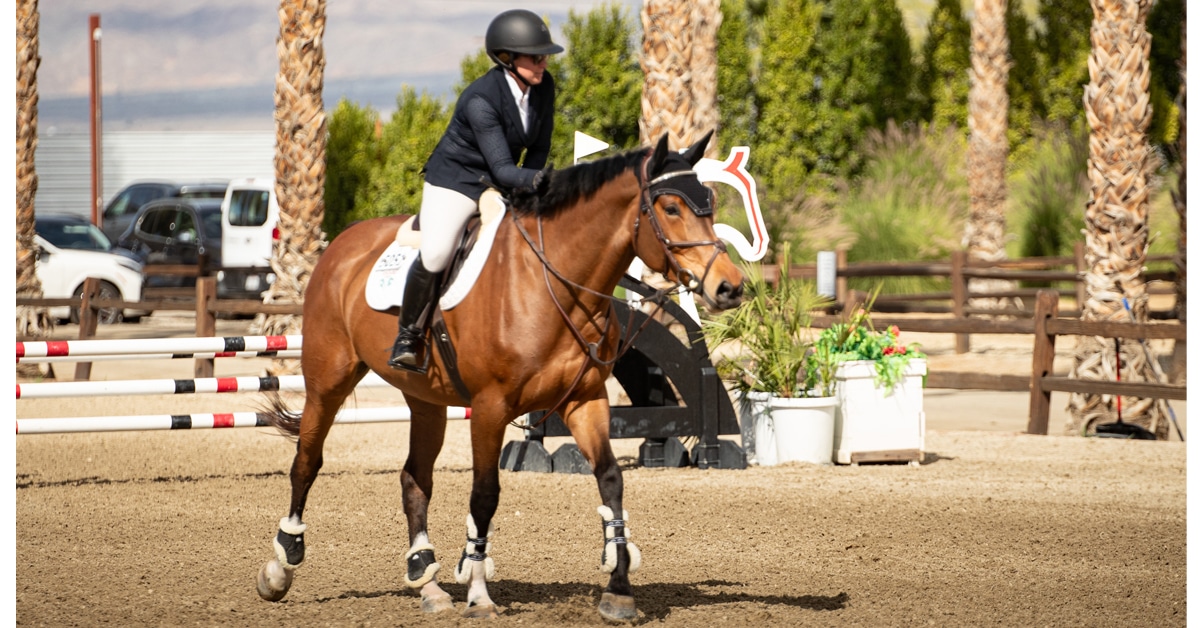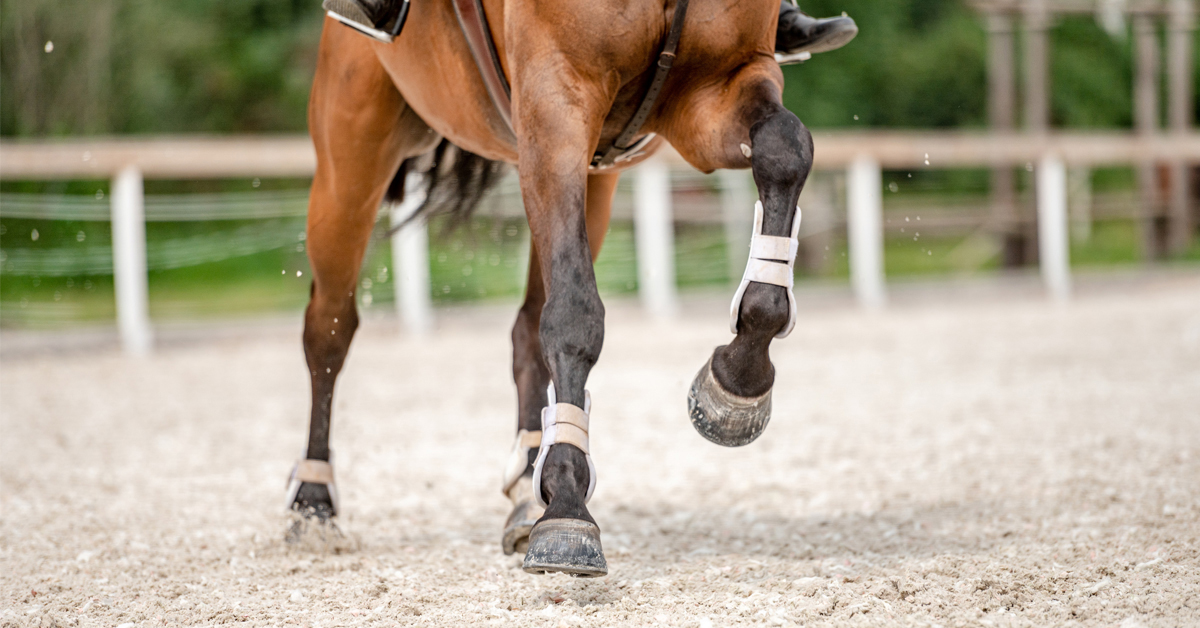
From show jumping to dressage to recreational riding, hoof health is a universal concern for horse owners. Regardless of discipline, the condition of a horse’s hooves plays a critical role in comfort, performance, and long-term soundness.
While farriery, footing, and management practices are essential, there is growing recognition that nutrition is one of the most influential factors affecting hoof quality. For many horses, the strength and resilience of the hoof begin not in the arena or barn aisle, but in the feed room.
Why Hoof Health Matters Across Disciplines
Every horse, regardless of workload, relies on healthy hooves to move comfortably and perform effectively. Weak or compromised hoof structure can lead to a range of issues, including:
- Cracking and chipping
- Sensitivity on hard ground
- Poor shoe retention
- Inconsistent movement or shortened stride
For sport horses, these issues can impact training progression and competition results. For leisure horses, they can affect overall comfort and usability.
Understanding How Hooves Are Built
The hoof wall is made of keratin, a protein that is produced continuously at the coronary band. This means hoof quality is directly influenced by the nutrients available during tissue formation.
Key nutrients involved in hoof development include:
- Amino acids for protein synthesis
- Trace minerals such as copper and zinc
- Vitamins, including biotin
These nutrients work together to support the formation of strong, durable hoof horn.
Common Nutritional Challenges
Even well-managed horses can experience nutritional gaps. Some of the most common challenges include:
- Variability in forage nutrient content
- Feeding less than recommended levels of fortified feeds
- High iron intake interfering with mineral balance
- Increased demands in performance horses
These factors can lead to suboptimal hoof quality over time.
Taking a Balanced Approach
Rather than focusing on single nutrients, many horse owners are shifting toward a more comprehensive approach to nutrition.
Omneity® is designed to support overall dietary balance by providing:
- Organic trace minerals
- Essential amino acids
- Biotin at effective levels
By addressing multiple nutritional gaps at once, this type of supplement helps support consistent hoof growth and improved strength.
When Additional Support Is Needed
Some horses may require more targeted nutritional strategies, particularly those with:
- Persistent hoof issues
- Metabolic conditions such as insulin resistance
- Diets high in iron
In these cases, AminoTrace+ offers a more concentrated source of key nutrients along with metabolic support, without added sugar or starch.
The Importance of Consistency
One of the key factors in improving hoof quality is consistency. Because hooves grow slowly—approximately 5 to 10 millimeters per month—changes in nutrition take time to become visible.
Horse owners should expect:
- Gradual improvements over several months
- Continued progress with consistent feeding
- Full hoof wall replacement over the course of a year
Integrating Nutrition with Management
Optimal hoof health is achieved when nutrition is combined with good management practices, including:
- Regular farrier care
- Appropriate trimming and shoeing
- Proper footing and moisture control
These elements work together to support the overall health of the hoof.
Practical Takeaways
For horse owners looking to improve hoof quality, consider the following:
- Evaluate the entire diet, including forage
- Choose a balanced vitamin and mineral supplement
- Address underlying nutritional gaps
- Maintain consistency in feeding and care
- Monitor hoof growth and quality over time
Conclusion
Hoof health is a reflection of the horse’s overall nutritional program. By focusing on balanced nutrition and consistent management, horse owners can support stronger, more resilient hooves across all disciplines.
Whether competing at a high level or enjoying time in the saddle, investing in hoof health is an investment in the horse’s long-term comfort and performance.
The Latest