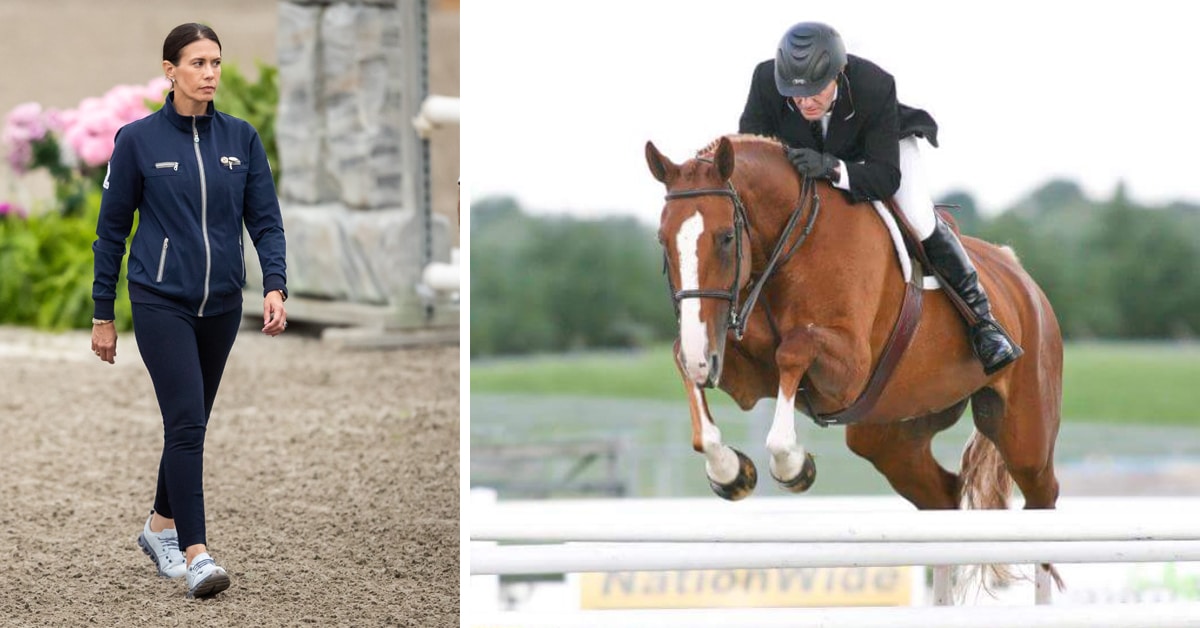
Senior international hunter judge, course designer, coach, and author Randy Roy believes in playing by the rules. But sometimes, there are no rules to play by when something goes awry in the show ring, whether it’s a sudden extreme weather event, a horse heading the wrong direction or an unexpected bath. In this fourth part of an occasional series on hunter judging mishaps, Roy shares what he did, or would do, when the unexpected happens. He says other judges may handle things differently and that’s fine, too – this is just how he has handled these particular events.
Lip Service
A rail is perched on the very lip of a jump cup, and hasn’t been noticed by the ring crew or judge. The next horse in the ring rubs it slightly, and it falls. This is a difficult one to call, says Roy, as the rail shouldn’t have fallen if it was properly in place. But if he’s not able to see the precariously perched pole, Roy has to mark it as a fallen rail. If he does happen to see the pole on the lip of the cup, he marks it only as a rub.
Wrong Ring
Two rings in close proximity are running simultaneously. An announcer calls a rider off-course in one of them, and the rider in the ring Roy is judging thinks the call is for them and pulls up. Roy explains the call was for the other ring, and allows the rider to continue. In this case the rider can redo a line, but not a whole course. He says a good practice for announcers would be to say “off-course in Ring 1 or 2” to avoid any confusion.
Forward Gears
A rider enters the ring at a walk, picks up a trot, then halts before trotting on again. This is not a correct departure, says Roy, and movement should proceed from one gait to the next upward one. That means no halts or throwing in a downward transition. He doesn’t love it, either, when a horse comes in trotting, walks, then canters. He certainly doesn’t want to see a halt and once a horse is trotting, a canter should come next.
Surprise Shower
A water truck spraying one ring douses the horse and rider in the adjacent ring. Roy allows the horse and rider to have time to regroup and get reorganized. They can pick up from where they got the surprise shower, or can do the whole line. He himself has been victim to the spray from a water truck in the judge’s booth!
Whee I’m Free
A horse gets loose outside the ring and the horse on course gets excited. If the head and tail of the horse in the ring start to raise, Roy allows the rider to leave the ring, take a breath and wait until the horse settles to resume their round.
Monsooned
The rain is pelting down so hard so hard that the judge can’t see a horse on course. Roy will ask the rider to pull up the horse and puts the class on hold until the rain stops. He’ll tell the in-gate person and announcer as well. The class will resume when Roy can properly see competitors on course.
Flashpoint
A storm is approaching and lightning strikes near the ring. If the management doesn’t call the class, Roy will, to ensure the safety of all involved.
Gone Overbowed
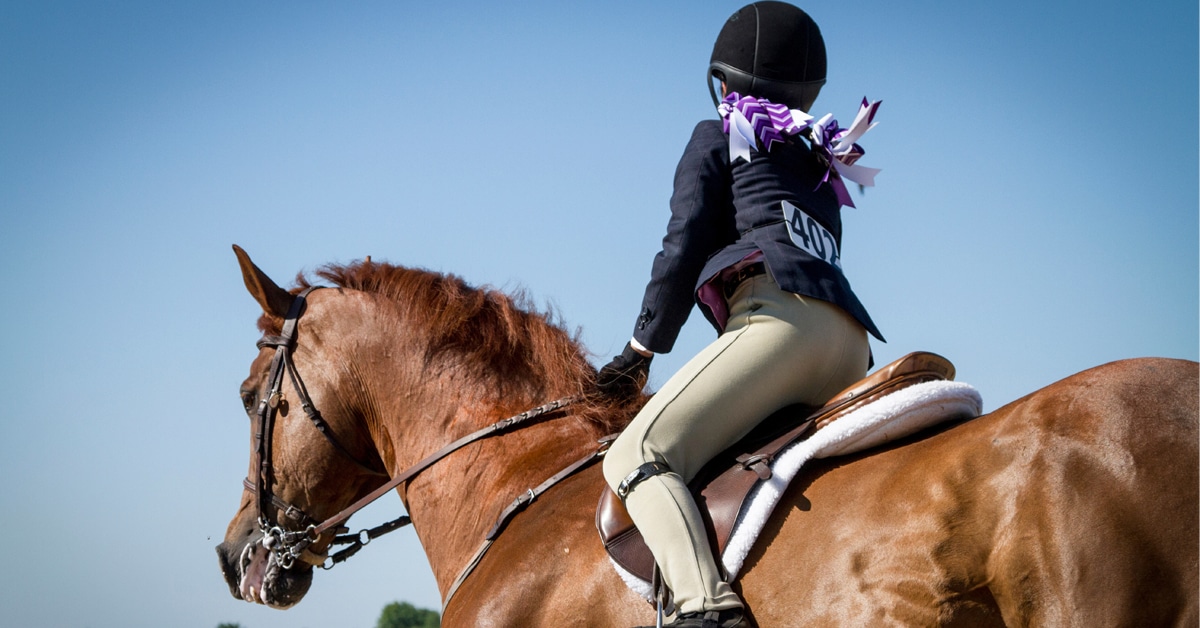
Child riders may look adorable with bows in their braids, but some of these fashion statements go overboard, says Roy. When there are multiple bows in a child’s hair, he often can’t see their number, and all he sees is a swath of colour. And if the child tries to shift a number to the side in a flat class, it often goes under their elbow. When it comes to bows, less is more, in Roy’s view.
Not The Rodeo
Even horses in line classes can get unruly. If one is spinning, rearing, kicking out, that creates a dangerous situation, especially if the horse gets loose. Roy has had to dodge his share of flying hooves, and if a horse is getting out of control, he stops judging it and moves on to the next.
Crowded Field
Judges sometimes are asked to judge flat classes with more horses and riders in the ring than is safe. Roy says 20 horses in the ring should be the maximum number and if there are more than that, it’s better to hold two classes or split the group and have half wait in the middle of the ring while the other half rides. When class numbers get to 20-plus, chances of collisions during the canter are high, he says.
Stop Right There
A rider enters the ring and starts cantering toward a jump. But they are headed to the wrong fence and are going to jump it backwards. That’s dangerous, says Roy. He’ll try to alert the announcer to call out “wrong jump” or if that happen quickly enough, he’ll call out himself if the rider is in range and tell the rider to stop.
Foot Not Loose
A rider is falling off on course and one of their feet gets caught in the stirrup. Swift action is needed to prevent serious injury, but it’s fruitless to call the announcer, as he or she is in the booth and can’t act swiftly. What has Roy done? He’s jumped into the ring himself and grabbed the horse or pony before it bolts and drags the rider.
The Latest