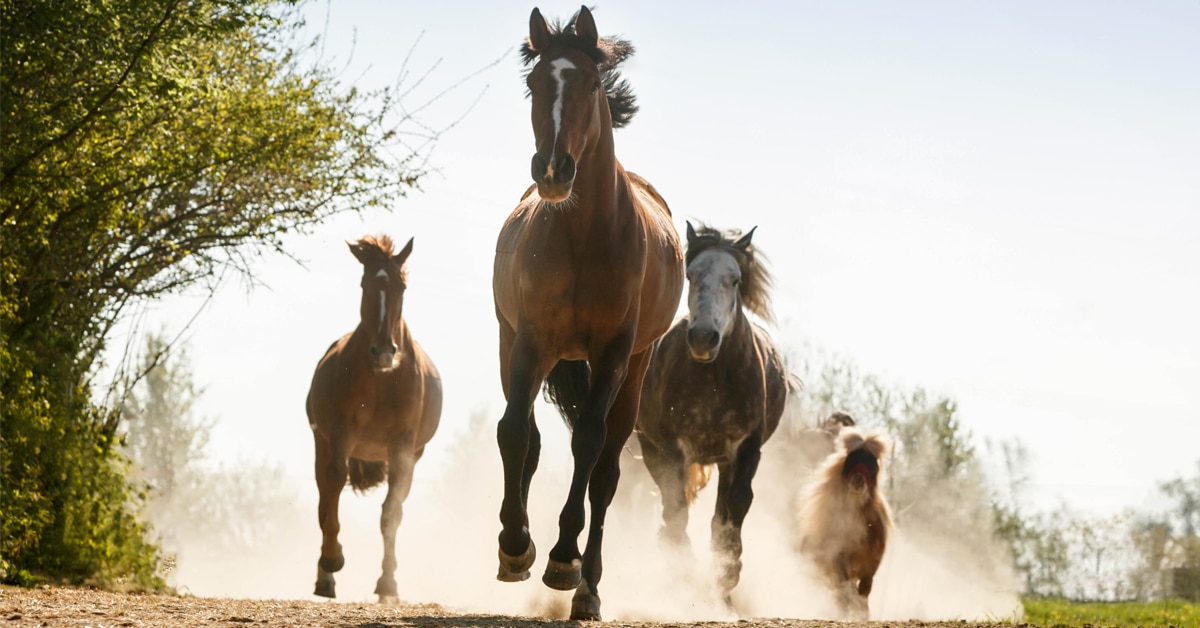
When we think of athletes, we think of discipline, training, nutrition and tons of other small choices that help them reach peak fitness. The same is true for racehorses; they’re athletes that require careful management and conditioning to succeed. Sure, natural ability comes into the picture, which is why some breeds are better suited to certain races than others. Let’s take a look at which ones are common in horse racing and how training and care help.
Why Knowing About Breeds and Training Matters
Equestrian sports feel like a whole other world. We like that you can immerse yourself in that new world, but the terminology can seem daunting to newcomers and outsiders. In horse racing, you’ll hear plenty of different terms to describe horses. That includes colt and filly for young horses and horse and mare for those over five. Of course, the age matters, but something that matters just as much, if not more, is the horse’s breed.
If you like betting on horse racing, understanding racehorse breeds may give you an edge. Before you check out the NetBet horse racing odds, find out more about racehorse breeds and where they excel. For those getting into equestrian sports and training, this breed knowledge is also essential when planning how to care for a horse.
Types of Racehorses
Not every horse race is the same, so it makes sense that not every racehorse is either. We’re not talking about mares and horses or colours like bay and roan. Instead, we mean that different breeds have different strengths. While they all require special care for these athletic pursuits, each breed will have specific health and training needs.
For the most part, trainers can rely on general guidance. That includes codes of practice at a national level, which cover federal regulations and the latest welfare science. Nothing beats getting to know their breed and the particular horse to work to their strengths.
Thoroughbred
Anyone who’s been to a racetrack will have seen a thoroughbred horse. They’re the most popular type for racing, especially over fairly long distances. The breed is prized for being able to build up and sustain speed over more ground than others on this list.
Today, welfare regulation for thoroughbred horses is embedded in the sport. It’s enforced by inspectors, vets and race day officials. Trainers can get the best out of their horses and stick to the regulations by attending to the physical and mental condition of their horses.
Standardbred
Standardbred horses are similar to thoroughbreds. However, they don’t often compete in the same types of races. You’re much more likely to see them in harness races, where their hardiness and trotting speed mean they excel. Since they’re calm and respond well to training, you’ll also see them in jumping and endurance racing.
Quarter Horse
We also call it the American Quarter Horse. Unsurprisingly, it’s a popular choice for racing in the US. They stand out due to their ability to reach high speeds quickly. You’re likely to see this horse racing over short distances. The keys to training this breed are starting gate training and high-intensity interval conditioning.
Arabian
There’s nothing more graceful and elegant than an Arabian. Our love for this ancient breed goes back centuries. You’ll mostly see them run against other Arabians in events like the Arabian World Cup.
Appaloosa
The breed was nearly wiped out not long ago, meaning we haven’t seen it appear much in racing history. We’re grateful that it’s back and growing in popularity. If you do spot this breed in horse races, it’s most likely to be an endurance or technical event. They’re also popular at rodeos.
The Latest