Most horse people understand that horses come with risk. What they may not realize is how often liability exposure begins with ordinary, everyday decisions: lending a horse to a friend, trailering for someone, allowing a contractor on the property, or assuming a provincial membership or farm policy covers more than it actually does.
According to Meghan Mackenzie-Bell, Assistant Vice President of the Henry Equestrian and Agriculture Business at NFP, the biggest risk often starts with assumption.
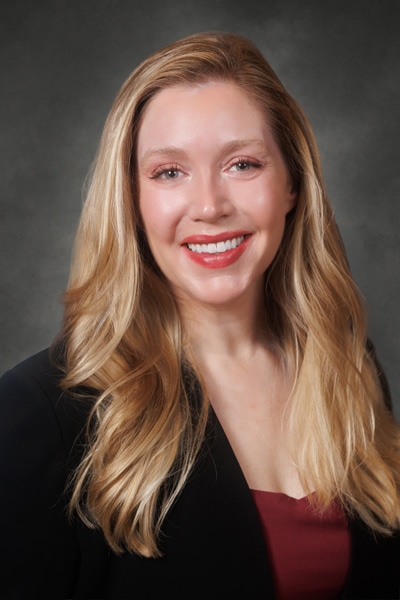
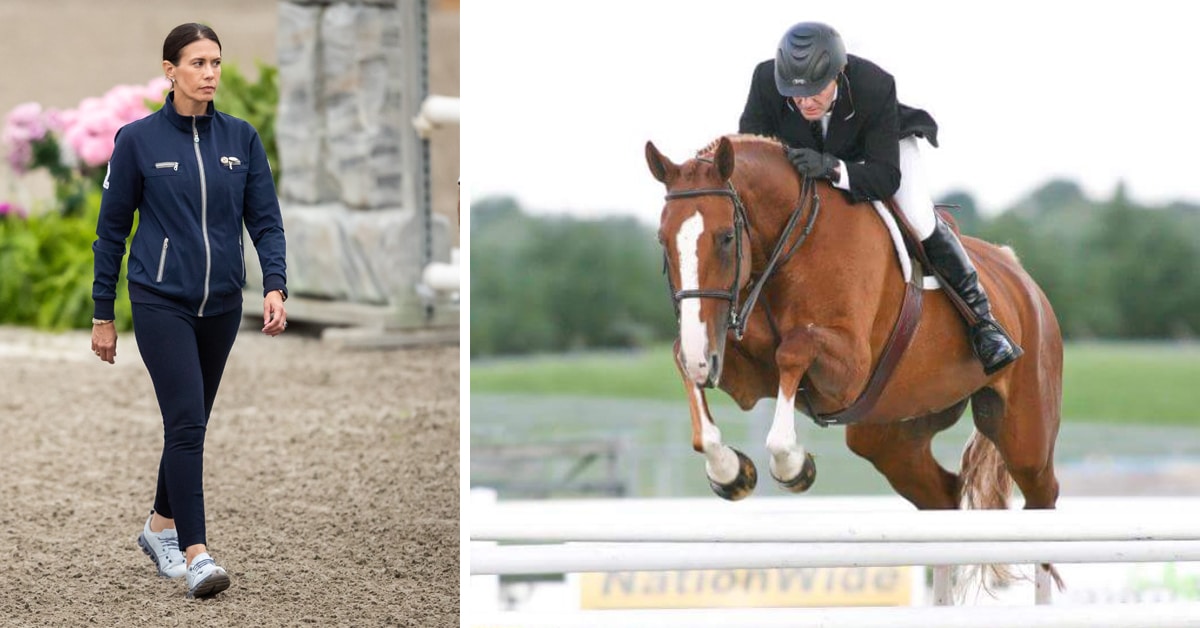
Meghan Mackenzie Bell, AVP Sales & Business Development Agri & Equine at NFP
“A lot of people assume things are automatically covered,” she says. Horse owners may have a provincial equestrian membership, home insurance or farm insurance and believe they are protected. But Meghan points out that equine liability is specialized, and not every broker understands the realities of horse ownership, boarding, coaching, trailering or informal barn arrangements.
“One of the reasons people are unknowingly exposing themselves is they’re not talking to people who are experts in the industry,” she explains. “They may be talking to a friend, or their home and auto insurer, who doesn’t really understand a lot of the exposures equestrians face.”
“They would never sue me”
One of the most common misconceptions Meghan sees is the belief that lawsuits only happen between strangers.
Many horse people still operate in a world of trust: friends ride each other’s horses, boarders become like family, and informal arrangements are common. But serious injuries can change everything.
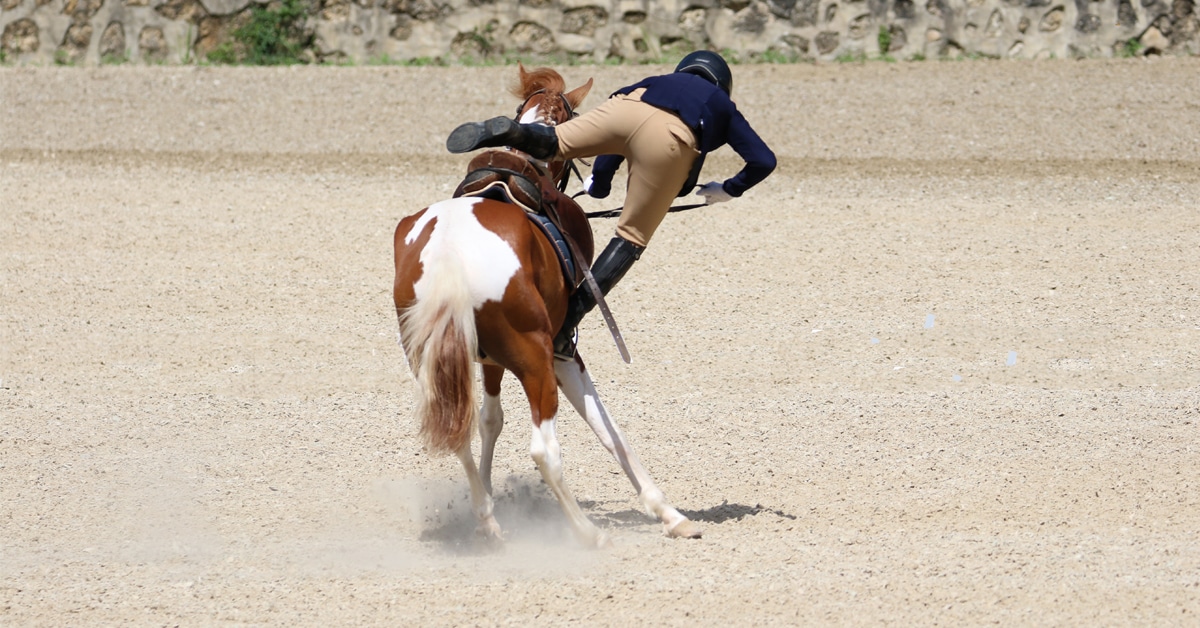
Meghan recalls a case involving friends on a trail ride. One woman loaned her horse to a close personal friend. The horse bucked, and the rider was badly injured and ended up suing her friend. Not because the friendship meant nothing, but because the injury was serious enough that she could not work for a long period and needed financial support.
Horse injuries can be life-altering and require long rehabilitation, home modifications, attendant care and loss of income. In those cases, Meghan says people may feel they have no choice but to sue, even when the person they are suing is a friend or family member.
That is why horse owners need to understand whether they have liability coverage for the ownership and use of their horses, and whether their farm insurer knows exactly what is happening on the property.
Personal use versus commercial exposure
A key distinction is whether the horse is being used personally or commercially.
Personal liability insurance through a provincial association may respond to issues that arise from riding, showing, or taking lessons. However, Meghan cautions that once money, business activity or third-party use enters the picture, the exposure may change.
Examples include leasing a horse for more than its basic costs, using a privately owned horse in a lesson program, teaching lessons, boarding horses, hosting clinics or allowing a barn to use your horse for clients.
If a facility uses your horse for lessons, Meghan says owners should ask whether they are being named as an additional insured for the use of that horse. Otherwise, the owner may assume they are protected when the horse is actually being used in a way that falls outside personal coverage.
Her advice is simple: call your broker before the arrangement starts.
“The more conversations you have with your insurance broker, the more we’re able to protect you properly,” she says. “We can only cover you for the things we know about.”
Safe Systems Matter
A loose horse on the road is the kind of incident every horse owner fears, but Meghan says it also shows why good risk management matters long before a claim is made. If a horse escapes and causes injury or damage, the owner may be named in a lawsuit, along with the property owner, municipality or others connected to the incident.
“You can always get sued,” Meghan says. “It’s how that lawsuit then proceeds.”
Good risk management can assist your case in a lawsuit, even if it does not guarantee that negligence will not be found. Well-maintained fencing, secure gates, double fencing along roadways, and regular property checks may not prevent a lawsuit, but they can help show that reasonable steps were taken to reduce the risk.
Waivers work the same way. Meghan cautions that they are not a complete shield, but they can help demonstrate that riders, visitors or parents were made aware of the risks and acknowledged them. Whether it is a beginner lesson barn or a private farm with experienced horse people coming and going, the goal is the same: show that safety is handled consistently, not casually.
Informal barn arrangements can create real exposure
Horse farms often rely on flexible help: working students, volunteers, people doing chores in exchange for rides, or contractors who come in for stalls, coaching or other services.
Meghan says commercial liability policies should account for working students and volunteers, because they may be treated like employees under the policy while acting within the scope of their work.
If they are injured, the question becomes more complicated. Meghan strongly recommends that barn owners discuss workers’ compensation, voluntary compensation or employers’ liability options with their broker.
Contractors raise another issue. Someone who mucks stalls at multiple barns, teaches lessons independently, or provides regular services should have their own insurance. Meghan notes that many people described as contractors do not always carry coverage, which can leave the barn owner exposed if something goes wrong.
The real lesson: ask before something happens
Meghan’s message is not that horse owners should be afraid of every decision. It is that they should know what risks they are accepting.
Every farm, horse owner and equine business operates differently. A private horse at home is not the same as a boarding barn. A free lease is not the same as a commercial lease. A friend riding once is not the same as a lesson program. A contractor is not the same as an employee.
The danger is assuming they are all treated the same by insurance.
For Meghan, the best protection starts with an honest conversation.
Tell your broker what you actually do. Who rides your horses? Do you board? Teach? Lease? Breed? Trailer? Host clinics? Allow contractors or volunteers? Take tack overseas? Bring other people’s horses into your care?
The answer may not always be complicated. But if the broker does not know, they cannot help protect you.
“Everyone has a different risk tolerance,” Meghan says. “It’s about knowing what you’re putting yourself out there for.”
The Latest