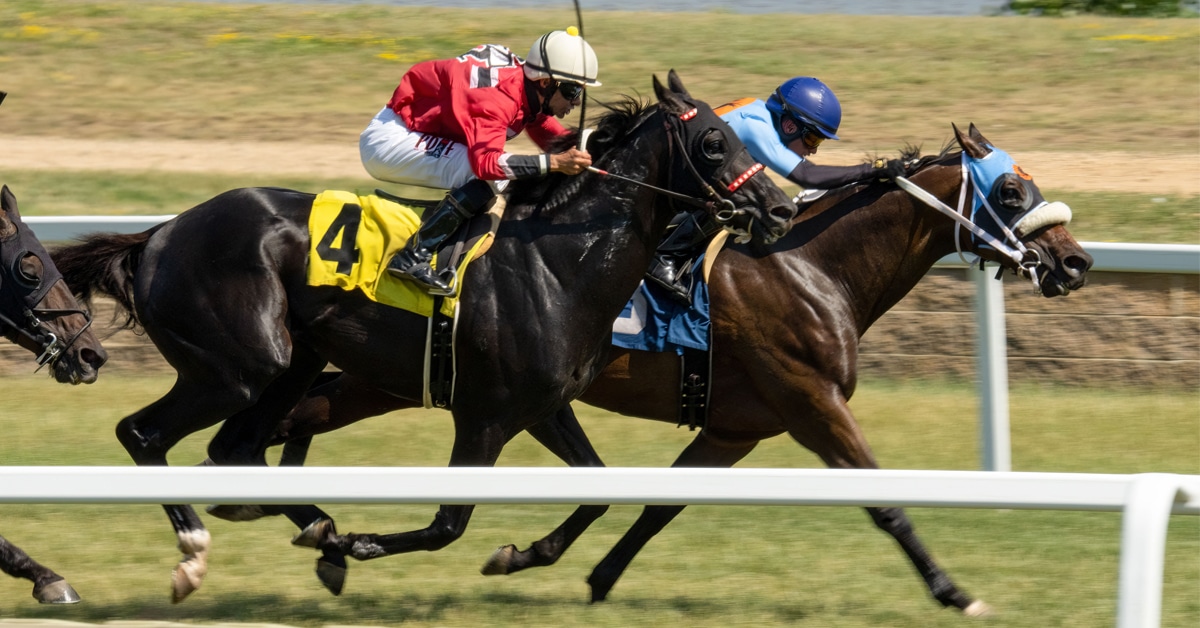
Training changes a sport horse’s nutritional demands. The feeding program that supports a horse during a quiet period may no longer be sufficient as conditioning advances, work becomes more intense, and recovery demands increase.
The reverse is also true. Continuing to feed for heavy work after the training load declines can provide calories the horse no longer needs. An effective sport horse ration needs to move with the program, adding support when demands rise and removing unnecessary inputs when they fall.
This doesn’t require rebuilding the diet every week. By establishing a sound baseline, understanding which requirements change with work, and reassessing the horse at clear training transitions, you can keep your program simple, effective, and low-cost.
1. Light Work: Establish the Baseline
A training-responsive ration begins with the requirements that do not disappear on an easier day. Every horse still needs clean water, plain salt, adequate forage, and appropriate amounts of energy, protein, vitamins, and minerals.
For most sport horses, forage should supply the largest share of daily intake. Most adult horses require approximately 1.5 to 2% of body weight in forage dry matter each day, depending on body condition and energy needs. Forage also provides the fiber that supports hindgut fermentation, gut motility, and normal feeding behavior.
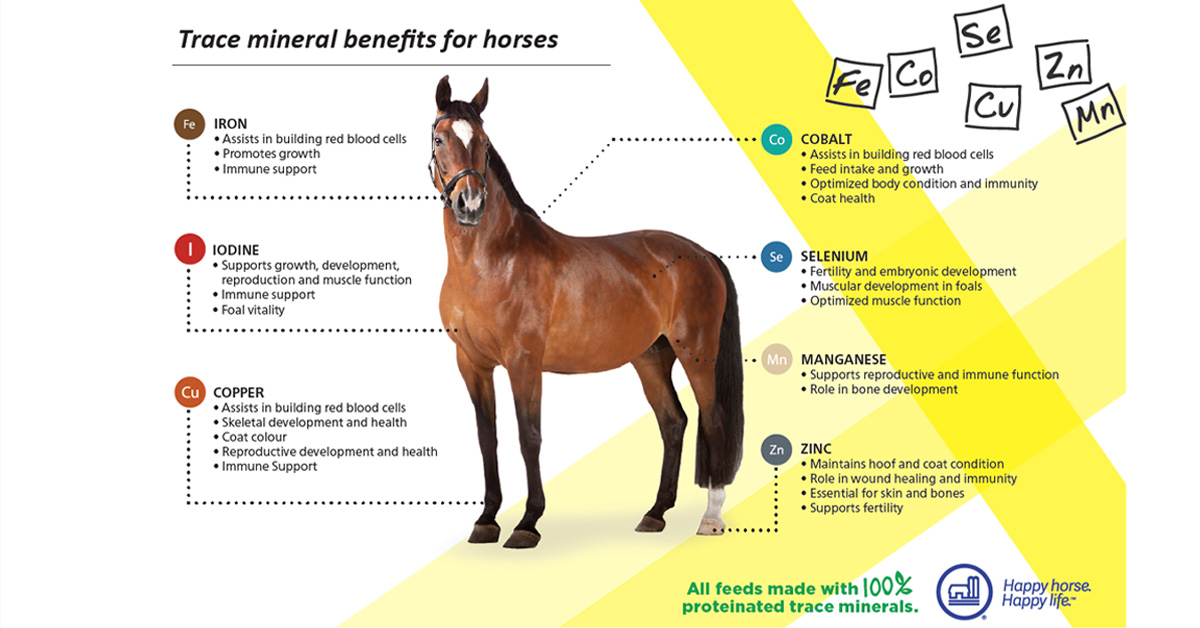
A horse maintaining weight on hay or pasture may already receive enough calories and protein, but that does not guarantee complete micronutrient coverage. Forage-based diets can fall short of copper, zinc, selenium, iodine, or vitamin E, depending on the forage source.
Omneity® provides comprehensive vitamin and mineral support for most horses on forage-based diets without adding significant calories, sugar, or starch. AminoTrace+ is a low-NSC option with no added iron and higher levels of several key nutrients. It is suited to horses with metabolic concerns, a history of laminitis, high-iron forage or water, poor hoof quality, or increased antioxidant and muscle-support needs.
2. Conditioning: Add Energy Deliberately
As workload increases, the first visible change may be declining body condition. If forage no longer supplies enough energy, higher-calorie hay, hay cubes or pellets, beet pulp, and fat can increase calorie intake through digestible fiber or oil.
For horses performing intense work, some dietary starch can be useful because glucose is used to replenish muscle glycogen. Grain intake should still be matched to workload and divided into appropriately sized meals. Excess starch can reach the hindgut, where rapid fermentation may disturb the microbial population. Feeding fat is also an effective way to increase total calorie intake without relying on grain. Mad Barn’s w-3 oil is a palatable option, with plant-based omega-3s and natural vitamin E to support workout recovery.
Fortified concentrates need to be fed at the manufacturer’s recommended rate. A partial serving may add calories without supplying the intended levels of vitamins and minerals. When a horse needs less than the recommended amount to maintain condition, a more concentrated vitamin and mineral source may provide a better nutritional fit.
3. Muscle Development: Look Beyond Crude Protein
Conditioning increases the need for amino acids that support protein synthesis, muscle development, tissue repair, and recovery. Meeting the horse’s total protein requirement does not necessarily mean the diet provides the right balance of individual amino acids.
Lysine, methionine, and threonine are the amino acids most likely to limit protein synthesis in equine diets. Three Amigos supplies these amino acids in an optimal 5:3:2 ratio to support muscle development, topline, tissue repair, hoof growth, and coat quality.
4. Regular Sweating: Plan for Daily Losses
Exercise changes more than calorie requirements. Sweat removes sodium, chloride, potassium, calcium, and magnesium, which are needed for hydration, nerve transmission, muscle contraction, and performance.
Fresh water and plain salt are essential for maintaining normal electrolyte balance. Horses in regular work, hot weather, or other conditions that produce substantial sweating may also require electrolyte supplementation.
Performance XL Electrolytes is formulated to replace the electrolyte minerals lost in sweat. It also supplies vitamins C and E for antioxidant support and readily available carbohydrate to support electrolyte absorption and glycogen replenishment after strenuous work.
5. Competition and Recovery: Target the Actual Need
Once the core ration is balanced, functional supplements can address demands created by repeated work, travel, and competition. These additions should have a defined job within the program.
Training, travel, restricted forage access, and changes in routine can affect digestive function. Visceral+ supports both the stomach and hindgut and is formulated to support digestive comfort, appetite, and normal hindgut fermentation during management stress.
For horses needing concentrated omega-3 support, OmegaPrime+ provides DHA and EPA from microalgae, ALA from flax, and natural vitamin E. It supports normal inflammatory balance, joint comfort and mobility, respiratory function, and post-exercise recovery.
A targeted product can support a specific system, but it cannot compensate for inadequate forage, energy, protein, vitamins, minerals, water, or salt. Reviewing the foundation first also helps prevent unnecessary supplement overlap.
6. When Work Decreases, Rebalance Again
Nutritional planning should continue when the competition calendar quiets down. A horse moving from intense work to a lighter schedule may need fewer calories, less concentrate, or a different feeding rate to avoid unwanted weight gain.
Reducing energy intake does not eliminate the requirement for vitamins and minerals. This is where separating calorie supply from micronutrient coverage becomes particularly useful: the ration can become less energy-dense while still remaining nutritionally complete.
7. Make Updates as Needs Change
Review the diet whenever workload, forage, weather, body condition, or health status changes. Monitor actual intake, weight and condition, topline, appetite, water consumption, manure, energy, and recovery. Feed refusals matter because a balanced ration only works when the horse consumes it.
Major dietary adjustments should be introduced gradually, allowing approximately two weeks for the hindgut microbiome to adapt. Sudden, persistent, or unexplained changes in appetite, condition, digestion, or performance should be evaluated with a veterinarian, since pain, dental disease, parasites, endocrine disorders, and other medical conditions can produce similar signs.
The objective is to keep the ration aligned with the work in front of the horse, supporting conditioning and recovery without carrying unnecessary calories or supplements into every phase.
Mad Barn’s equine nutritionists offer free diet evaluations to help riders and owners compare the complete ration with their horse’s workload, body condition, forage, and individual needs.
The Latest