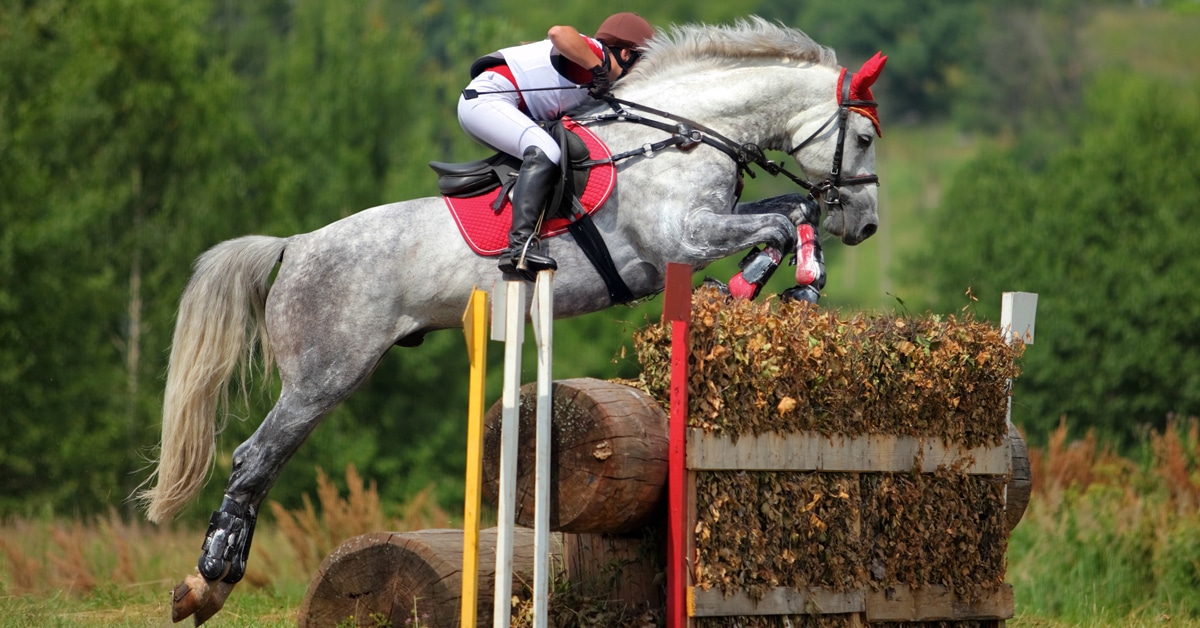
A sporthorse can maintain appropriate body condition and complete its work while still falling short of the nutritional support needed for topline development, hoof quality and recovery. Slow progress in any of these areas does not prove a deficiency, but it does justify reviewing the entire ration before increasing calories or adding another supplement.
Body condition is an important management measure, but it cannot show whether the diet supplies enough vitamin E, selenium, copper, zinc, biotin or limiting amino acids. A horse may consume adequate energy and protein while still missing micronutrients that support muscle, connective tissue, hoof horn, antioxidant defenses and normal metabolism.
1. Condition Is Only One Part of Readiness
Forage should provide the foundation of every sporthorse ration. It delivers the fiber needed for digestive health and often supplies most of the horse’s calories and protein. Soil, plant species, maturity, harvest conditions and storage all influence the nutrient profile of hay.
Commercial feed does not automatically close every gap. Fortification is calculated for the manufacturer’s recommended serving, and many sporthorses are fed less because they do not require the full calorie allowance. Reducing the serving also reduces the vitamins and minerals delivered. The horse may look well fed while the micronutrient portion of the ration remains incomplete.
2. Find the Nutritional Bottleneck
When a working horse is not responding as expected, consider what each part of the diet contributes before simply increasing feed. Vitamin E and selenium support antioxidant defenses and muscle health. Their importance becomes especially relevant for horses relying on stored hay rather than fresh pasture.
Copper and zinc contribute to connective tissue, hoof integrity, skin health and antioxidant enzyme activity. Their usefulness also depends on the rest of the mineral profile. High dietary iron can interfere with copper and zinc absorption, so a label that lists those minerals does not, by itself, confirm the ration is well balanced.
Protein quality is another consideration. Lysine, methionine and threonine are limiting amino acids in equine diets, meaning a shortage can restrict protein synthesis even when total protein intake appears adequate. Supplying them in appropriate amounts supports muscle maintenance, topline development, hoof growth and recovery from exercise. Biotin adds specific support for keratin production and hoof horn quality.
Sodium remains a separate daily priority. It is required for fluid balance, nerve signaling and muscle function, but the horse’s requirement is too large to be met conveniently by a concentrated vitamin and mineral supplement. Plain loose salt should remain part of the program, with additional electrolyte planning based on workload and sweat losses.
3. Review the Ration When the Work Changes
Nutrient requirements are influenced by body weight, age, workload, health status and other individual factors. A ration that suited a horse during light work may deserve another look when conditioning intensifies, competition travel increases or access to pasture changes. The review should include forage, the actual amount of fortified feed, salt, supplements and anything used as a carrier.
The goal is not to add every nutrient associated with performance. It is to identify what the existing ration fails to provide and correct those gaps without adding unnecessary sugar, starch, calories or iron. A concentrated all-in-one supplement can be useful because micronutrient intake can be adjusted independently of energy intake.
4. Match the Foundation to the Horse
For a healthy sporthorse on a forage-based diet or an underfortified grain program, Omneity® provides broad daily coverage. Its formula includes 100% organic trace minerals, vitamin E, complete B-vitamin fortification, research-backed levels of biotin, limiting amino acids, yeast and digestive enzymes, with no added iron. It is available as a concentrated premix or as pellets, allowing the format to fit the horse’s existing ration and preferences.
A horse with greater nutritional demands may need enhanced levels of certain nutrients. AminoTrace+ provides higher levels of copper, zinc, magnesium and limiting amino acids, along with natural vitamin E and 20 mg of biotin per serving. Its low-NSC, no-added-iron formula is particularly relevant for horses with high-iron forage, persistent hoof concerns, metabolic considerations or higher demands related to training, travel and recovery.
Neither choice should be made from workload alone. The correct fit depends on the whole ration and the individual horse. Omneity® is the broad foundation for most horses; AminoTrace+ is the enhanced option when the dietary or health context supports the need for higher nutrient levels.
5. Measure the Program Against the Horse
A ration analysis can compare the horse’s actual intake with estimated requirements and expose gaps that are easy to miss on a feed label. After changes are made, track body condition, topline, hoof growth, work tolerance and recovery over time while keeping training, health care and management in view. Nutritional improvement is rarely judged from a single ride.
The best vitamin and mineral program is not the one with the longest ingredient list or the strongest performance language. It is the one that completes the diet the sporthorse is actually eating and supports the work being asked of that horse without supplying energy or ingredients the ration does not need. For help assessing your sporthorse’s program, book a free nutrition consultation with an expert equine nutritionist from Mad Barn today.
The Latest