June 18 is Veterinary Appreciation Day. Your vet enjoys seeing you, but they would rather see you for routine appointments than emergencies.
Equine Guelph is sharing free resources on TheHorsePortal.ca to help you communicate with confidence for both scenarios. After all, an ounce of prevention is worth far more than a pound of cure, especially when it comes to summer horse care. From hydration and heat stress to parasite control and pasture management, small day-to-day decisions can have a significant impact on your horse’s health.
If you want veterinary visits to stay routine rather than urgent, there are practical steps you can take now to set your horse up for a healthy season. Gradually building conditioning programs helps reduce the risk of lameness, while knowing your horse’s baseline vital signs is fundamental to spotting health concerns early and supporting your veterinarian with the information they need to deliver the best possible care.
Baselines
A key part of prevention is knowing what is normal for your horse, which is not always obvious as horses are very good at hiding early signs of a problem.
Regularly performing a quick and easy 16‑point Horse Health Check helps you establish baseline values such as temperature, pulse, respiration, hydration, and soundness, making it easier to detect subtle changes early.
This knowledge allows you to be a confident advocate for your horse’s health while also supporting your veterinarian. Clear, accurate information helps your veterinarian assess whether a situation is urgent or can safely wait, leading to better decisions, more efficient care, and a stronger working relationship. It is exactly the kind of partnership veterinarians value most.
Hydration and heat management
Hydration and heat management are key as temperatures rise. Provide constant access to clean, fresh water, adequate shade, and consider electrolytes for horses in regular work or heavy sweat. Pay attention to early warning signs such as increased breathing rate, dullness, or reduced appetite, and adjust workload before problems develop.
Hydration and heat management are key as temperatures rise. Provide constant access to clean, fresh water, adequate shade, and ensure horses have access to salt at all times, to help maintain proper hydration. Horses in work may require electrolytes to help replenish the fluids and electrolytes lost while sweating. Reduce the risks of dehydration, muscle issues, and heat stress with careful management. There are many do’s and don’ts when it comes to electrolyte use including ingredients and the timing and method of delivery.
Parasite control
Parasite control should focus on prevention and long-term effectiveness. Work with your veterinarian to build a targeted deworming program based on fecal egg counts. This reduces resistance and keeps your program effective for the future. Your veterinarian wants you to know how to properly collect manure for a fecal egg count, rather than awkwardly waiting around making small talk until a sample appears.
Pasture management
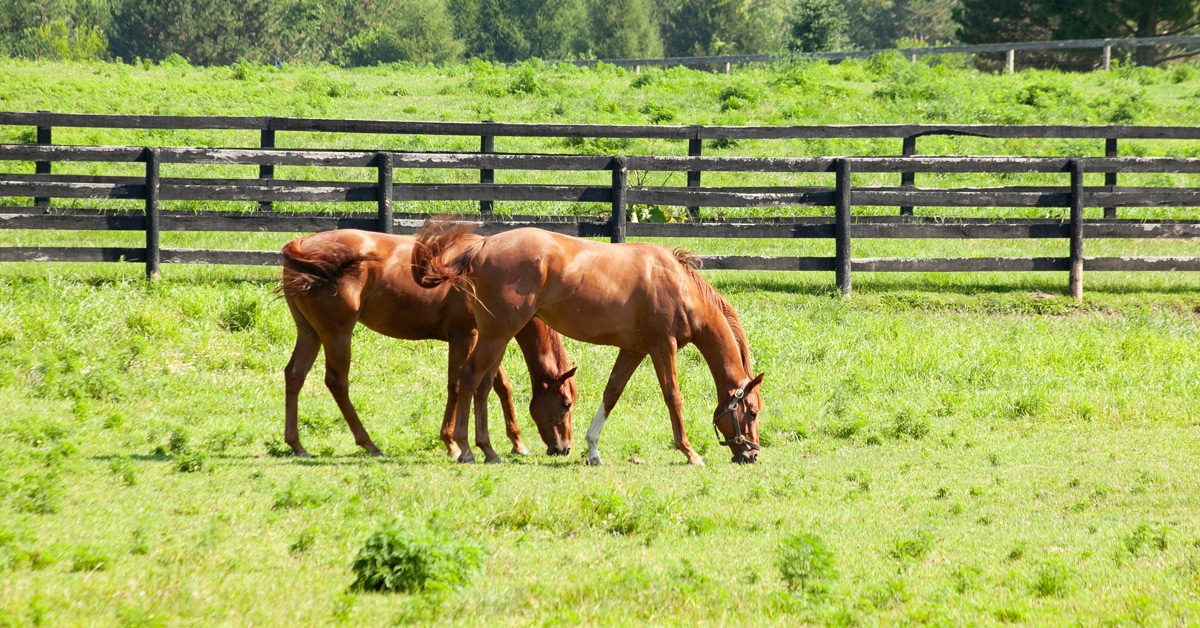
Pasture management is another important component of parasite control as well as overall equine health and well-being. Picking up the poop can reduce parasite populations and the amount of flying pests on your property.
Ticks are on the rise and letting horses graze in overgrown pastures can provide an inviting environment. Getting rid of brush piles and trimming the grass around paddocks can also make your facility less attractive for ticks.
Rotational grazing, avoiding overgrazing, and monitoring for toxic plants help support nutrition and reduce health risks:
If laminitis is a concern, a grazing muzzle may be part of your prevention program. Laminitis is a vet emergency everyone dreads!
Lameness Prevention
Lameness prevention starts with a thoughtful, progressive training program. Avoid doing too much too quickly, especially when bringing horses back into work or increasing intensity. Gradually build fitness so bones, joints, and soft tissues can adapt. Include proper warm-up and cool-down and allow adequate recovery time between efforts. Recognizing subtle changes such as stiffness, uneven movement, or changes in performance and addressing them early can prevent more serious injury. Your vet wants you to know it is easier to accurately diagnose lameness with an early call rather than waiting for more compensatory patterns to develop.
Biosecurity
Summertime is prime time to get out and enjoy activities with your horse. To avoid bringing anything home with you there are 14 top travelling tips including bringing all of your own supplies, not sharing equipment and being up to date on vaccinations. Hang a free sickness prevention poster in your barn to let everyone know expectations at home and use Equine Guelph’s Biosecurity Risk Calculator for more steps on how to reduce the risk of infectious disease.
 Across all of these areas, prevention and early recognition are key to keeping horses healthy and reducing the likelihood of emergency calls. Building good daily habits means your veterinarian becomes a partner in maintaining health, rather than responding to avoidable crises because the best way to celebrate your vet is to need them a little less urgently.
Want to dive deeper into recognizing risks early and make informed decisions? This September, Dr. Ev Post leads Equine Guelph’s online Equine Health & Disease course, designed to help horse owners build confidence in recognizing, preventing, and responding to common health concerns.
In this course, you’ll explore:
- Early warning signs of illness every horse owner should know
- How management choices influence disease risk
- When to monitor—and when to call the vet
- Practical strategies to support long-term horse health
Whether you’re looking to sharpen your eye for subtle changes or make more informed care decisions, this course connects everyday management with veterinary insight.
The Latest