Every year on September 28, the global community marks World Rabies Day, raising awareness of a disease that remains nearly 100% fatal once clinical signs develop, yet is entirely preventable through vaccination and education. This year’s theme, “Stronger Together,” recognizes that rabies prevention depends on collaboration between animal owners, veterinarians, public health officials, wildlife experts, educators, and industry partners. No single group heads up rabies prevention alone.
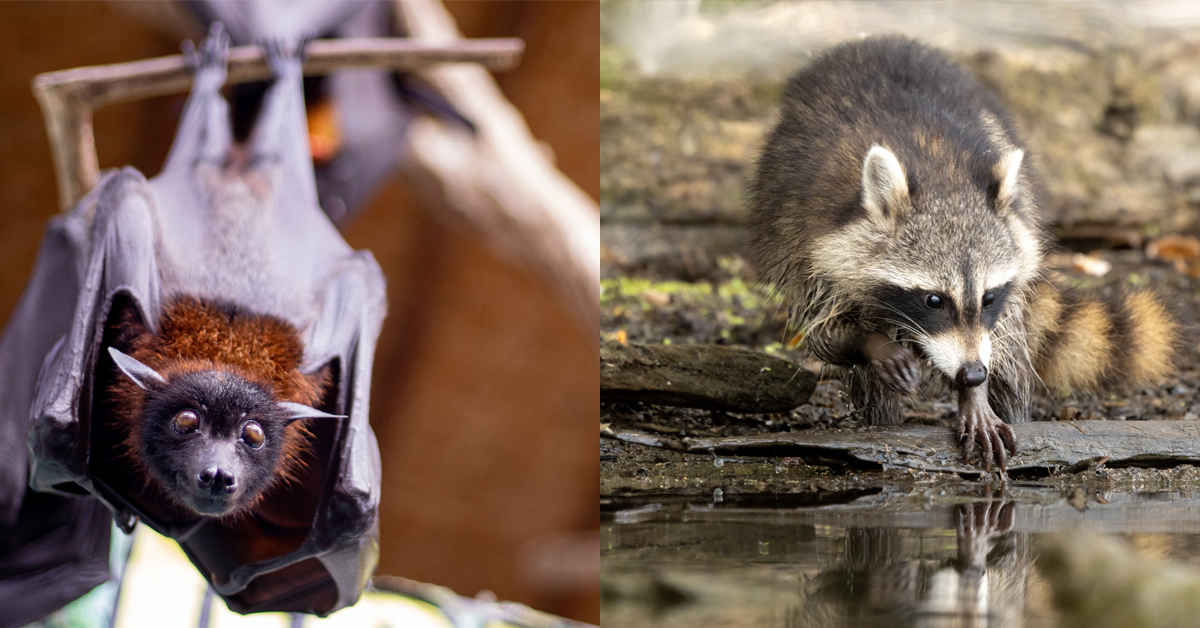
For horse owners in Canada, rabies remains a real concern. In 2026, the Canadian Food Inspection Agency has reported rabies-positive bats in Ontario and ongoing raccoon rabies activity in Quebec, highlighting the importance of vigilance, vaccination, and communication among everyone involved in equine health.
Protecting Horses From Rabies is a Team Effort
1. Horse Owners – the first line of defense
Horse owners are often the first people to notice unusual wildlife activity, unexplained wounds, or behaviour changes in their animals. They are also the advocates for their horse’s health; responsible for keeping vaccinations up to date to optimize prevention.
Myth: “I never see wildlife around my barn, so rabies isn’t a concern.”
Fact: Many wildlife species are active at night, and bats often enter barns unnoticed.
2. Equine Veterinarians
Veterinarians help horse owners assess risk, develop vaccination protocols, and respond when potential exposures occur. Rabies vaccination remains the most effective way to protect horses and is a core vaccine veterinarians recommend.
“Core vaccinations are critical for the protection of horses from serious viral and bacterial toxin diseases. We are fortunate to live in a region of the world where highly effective vaccines are readily available and can turn the risk of deadly disease into a preventable concern,” says Tamara Quaschnick, DVM, equine technical services veterinarian for Zoetis Canada. “The threat of rabies to both horses and humans is real and the course of disease is brutal and invariably fatal. The stakes of leaving your horse unprotected are high.”
As well as helping educate horse owners, veterinary teams maintain vaccination records and support disease investigations by coordinating communication between horse owners, laboratories, and public health authorities.
3. Public Health Professionals
Rabies is a classic One Health disease because it affects both human and animal health.
When a rabies exposure is suspected, public health agencies, veterinarians, laboratories, and animal owners often work together to determine risk, coordinate testing, and protect anyone who may have been exposed. The World Rabies Day campaign highlights these cross-sector partnerships in efforts to protect animals and people.
4. Educators
Awareness is one of the most powerful rabies prevention tools available.
Educational organizations, veterinary associations, and animal health companies help ensure horse owners have access to accurate information about vaccination, wildlife risks, and exposure response.
Every conversation, training opportunity, and educational resource contributes to safer horses, safer people, and healthier communities – sharing knowledge that saves lives.
Myth: “I’ve seen Old Yeller ‒rabies is mainly a dog problem.”
Fact: In Canada, wildlife species including bats, raccoons, skunks, and foxes are all monitored. So far, in 2026, bats and raccoons have accounted for the vast majority of confirmed cases reported by the CFIA.
Plan Ahead with the Equi-Planner Tool
To help horse owners stay on top of their vaccination schedules, Equine Guelph offers the Vaccination Equi-Planner, a free online tool that creates a personalized immunization calendar based on your horse’s age, use, and location. Rabies is among the core recommended vaccines in horses in Equine Guelph’s Vaccination Equi-Planner healthcare tool due to the deadliness of the disease.
Kindly sponsored by Zoetis, the Vaccination Equi-Planner is designed to explain the risk factors and then provide a print-out personalized to your horse’s vaccination needs. This is a great way to get the conversation started with your vet.
Further Reduce Your Risk of Sickness and Disease
After checking the free Vaccination Equi-Planner healthcare tool, take a deeper dive into preventing sickness in your horse with Equine Guelph’s short course, also kindly sponsored by Zoetis, Sickness Prevention in Horses.
Based on the Canadian standard for equine biosecurity, the Sickness Prevention in Horses short online course breaks down important information into easy, practical tips you can use right away. Maintaining health is everyone’s responsibility and for only $45 tuition, this important short online course could save you thousands in veterinary bills. 15-20 hours (self-paced). Access for 1 year! Register today for Sickness Prevention in Horses
The World Rabies Day message Stronger Together is succinct. Whether you’re vaccinating your horse, reporting unusual wildlife activity, educating fellow horse owners, or supporting surveillance efforts, every action contributes to rabies prevention. By working together, we can remain vigilant protecting horses, people, and communities from one of the world’s oldest and most deadly diseases.
More News