EC-licensed officials would be restricted from working at provincially-sanctioned shows, and venues could not run provincial and EC shows together.
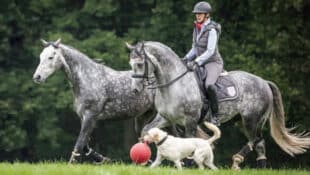
In this exclusive excerpt from "25 Ways to Make Your Horse Happy", Anne Krüger-Degener describes how to really listen to your horse with all your senses.
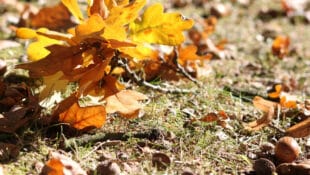
A study found that adding water to feed does not boost overall water intake, and a reminder of the dangers of horses eating acorns.
Canadian riders, coaches, and business owners have access to new programs to help them create a safer, smarter, more sustainable future.
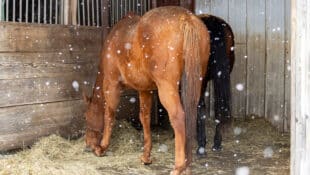
As winter approaches, turnout time and exercise decreases for many horses, which increases the incidence of this type of colic.
Breeder Bernard Mols shares the remarkable lineage behind the winner of the CPKC International at the Spruce Meadows Masters.
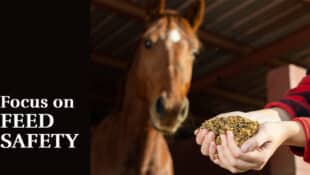
How to avoid dangerous contamination in your horse's feed, and understand toxin binders, monensin, and mycotoxins.
Biomechanics specialist Tim Worden discusses best practices for training human athletes and sport horses ‒ who share many similarities.
Dr. Sue Dyson provides a recap of a Spanish study that looked at orthopaedic and injury assessments of 70 dressage horses.
Provincial and Territorial Sport Organizations are uniquely positioned to connect and engage equestrians, from grass roots to the pro ranks.